Kitchen Karma (Thesis)
As part of my thesis project, Kitchen Karma explores how gamification and behavior design can help international students build consistent cooking habits while studying abroad. The app turns cooking into a fun and motivating experience through quick, regional recipes, streaks, and rewards. By combining habit formation with cultural connection, it encourages students to cook more often, eat healthier, and feel closer to home.
Duration
5 months
Timeline
July 1 - Nov 30
Role
UX Designer
Project
Academic
What I did
UX Research, Quantitive & Qualitative Analysis, Data Synthesis, User Interviews,
UI Designing, Usability Testing, Pretotyping for Business
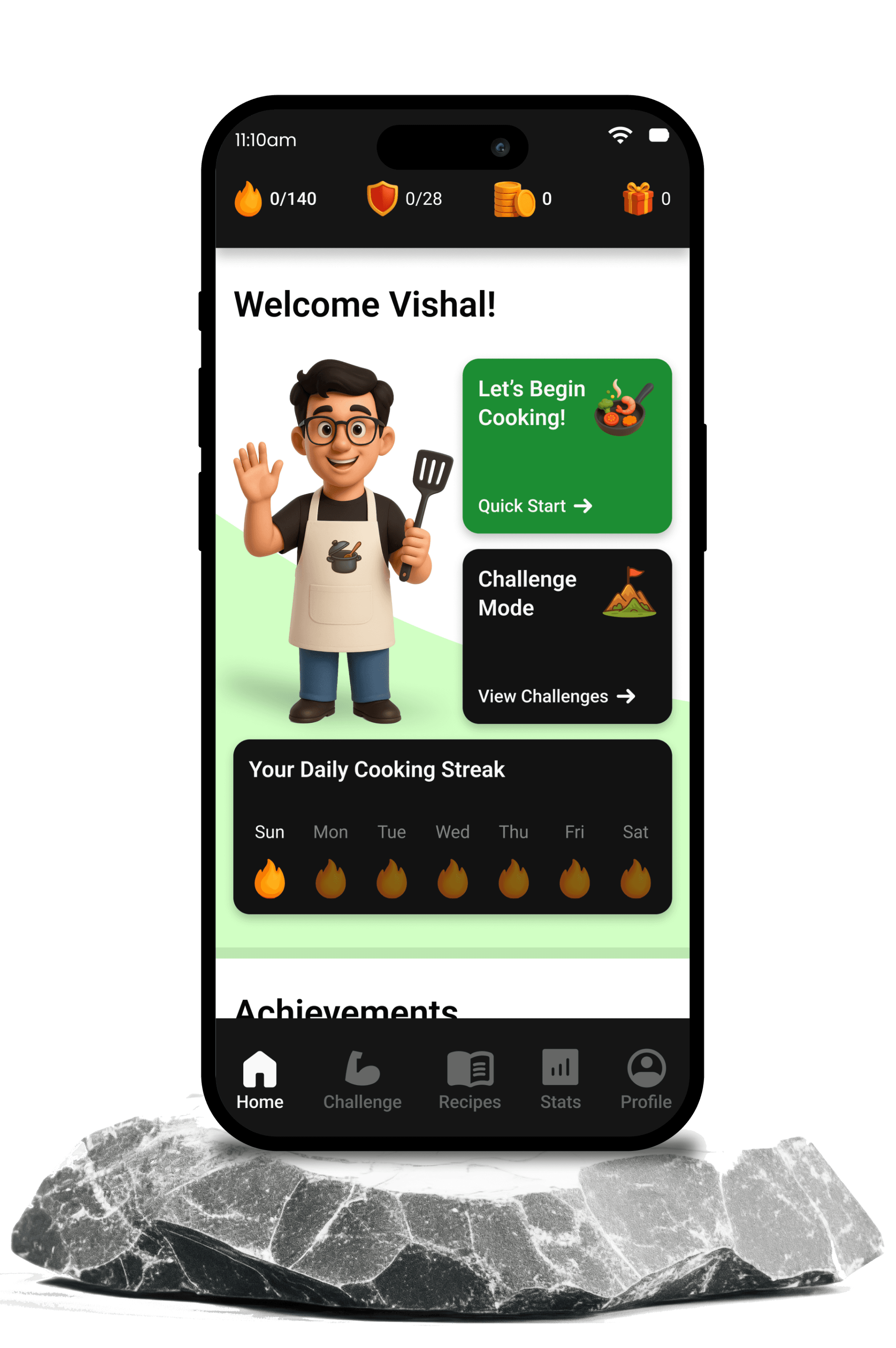
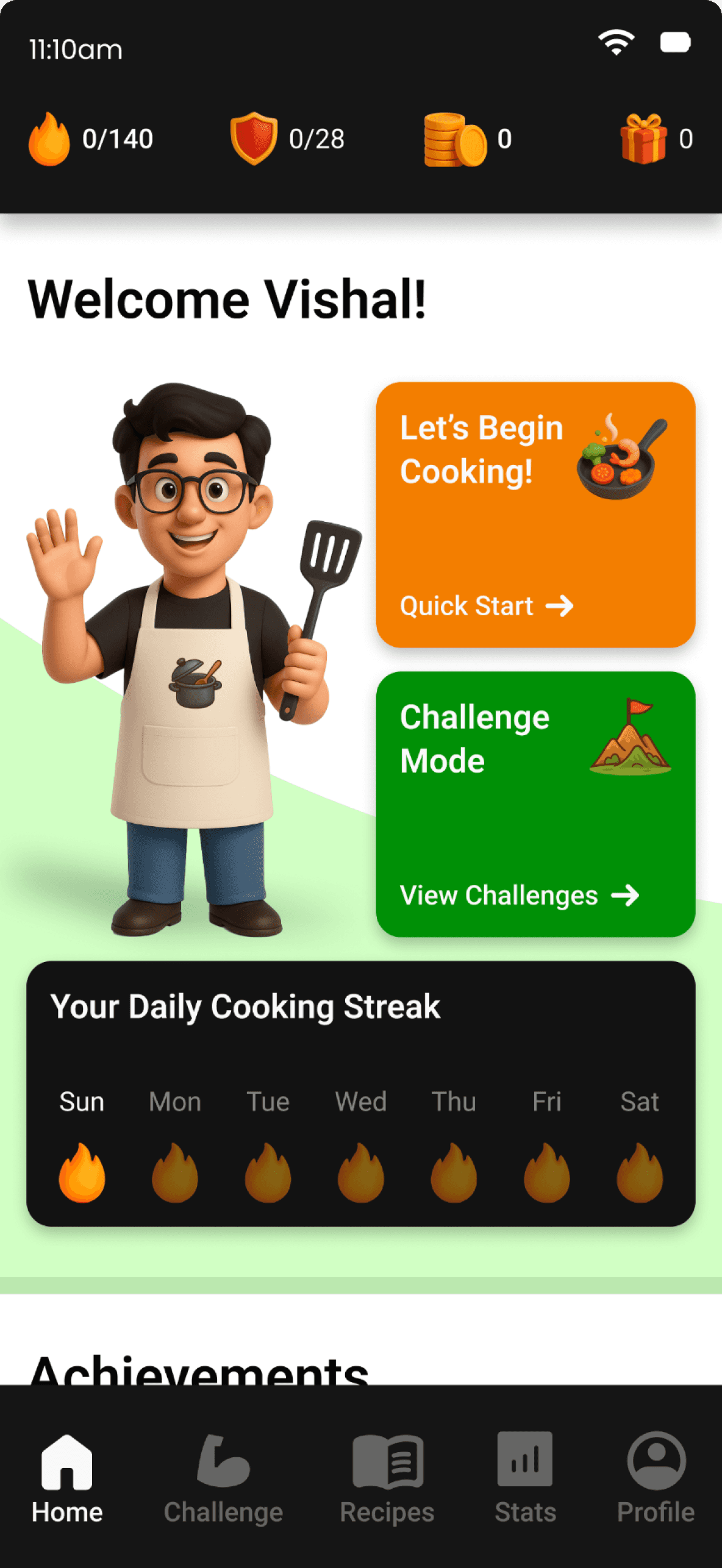
About Kitchen Karma
Kitchen Karma is a cooking habit–forming platform designed for international students who struggle to maintain healthy, home-style eating while living abroad.
As students shift toward fast food and processed diets, their energy, focus, and well-being often decline. Kitchen Karma helps reverse this by making home cooking simple, motivating, and sustainable through guided recipes, smart reminders, and gamified rewards — turning everyday cooking into a positive habit rather than a burden.
Design Outcomes
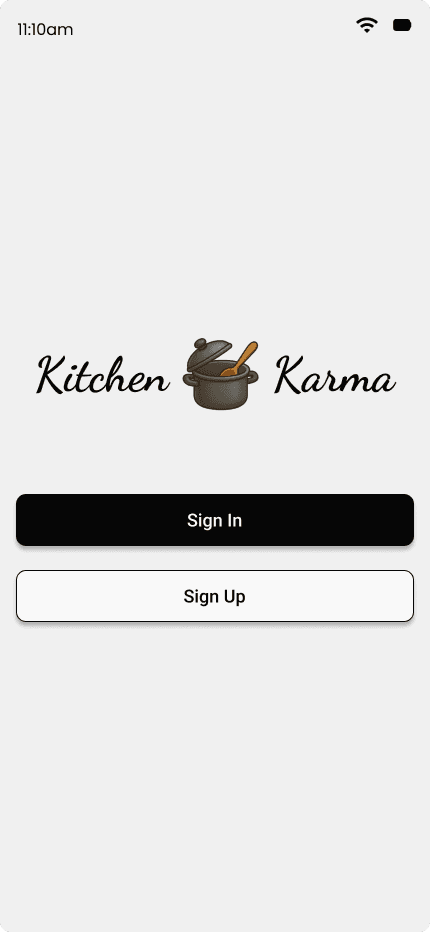
Intuitive Onboarding Process
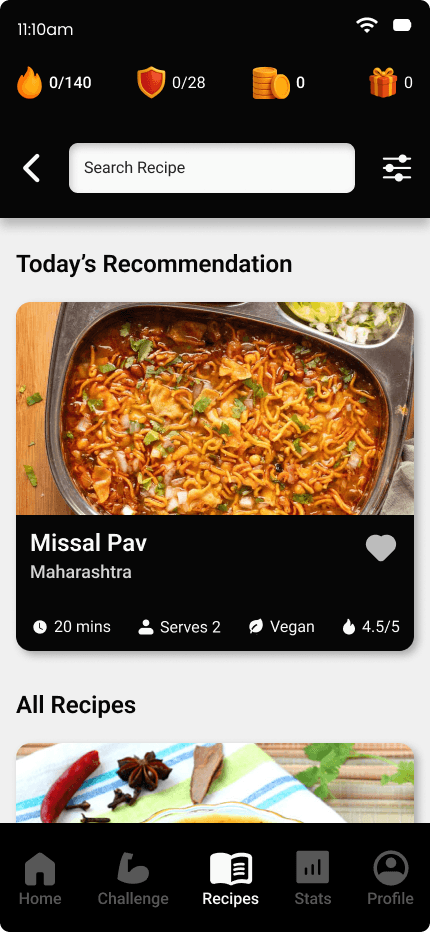
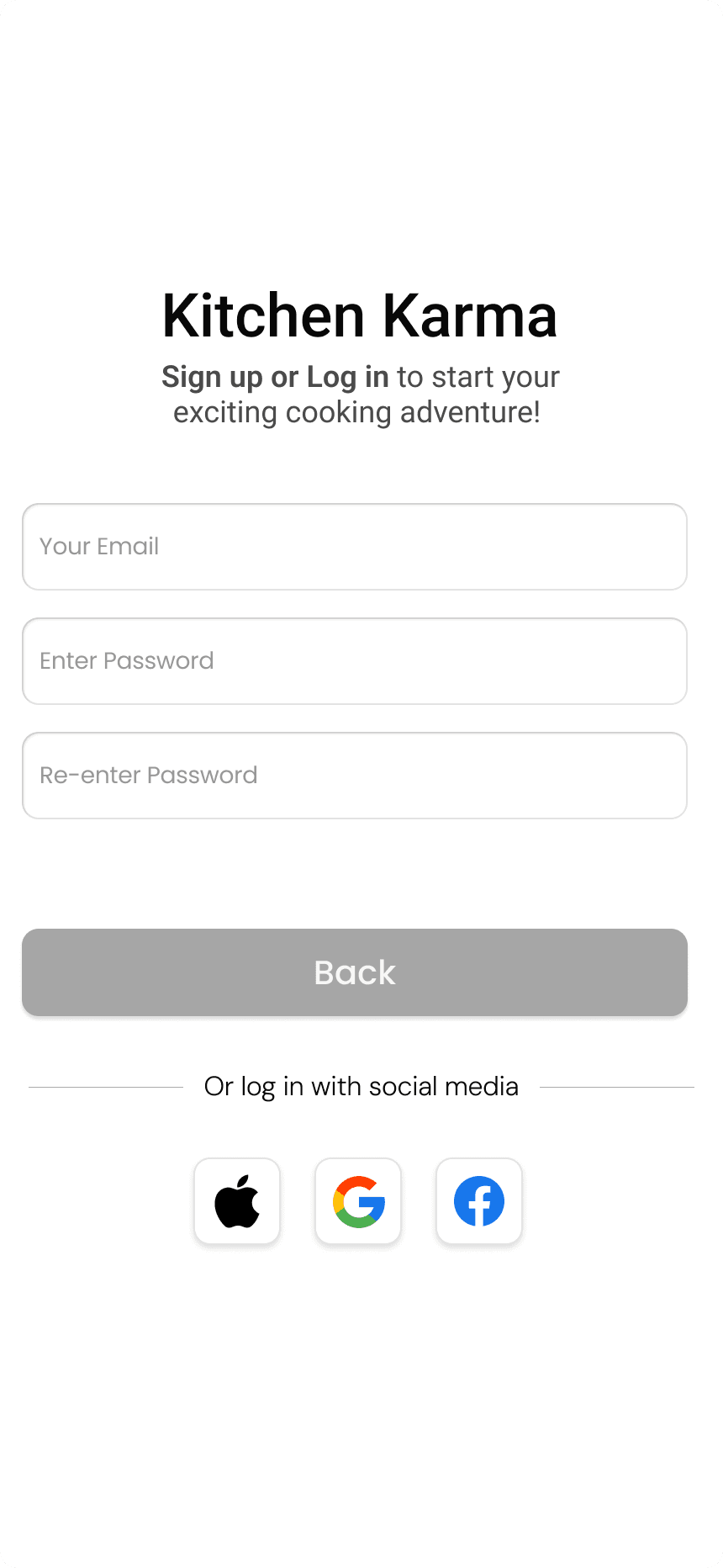
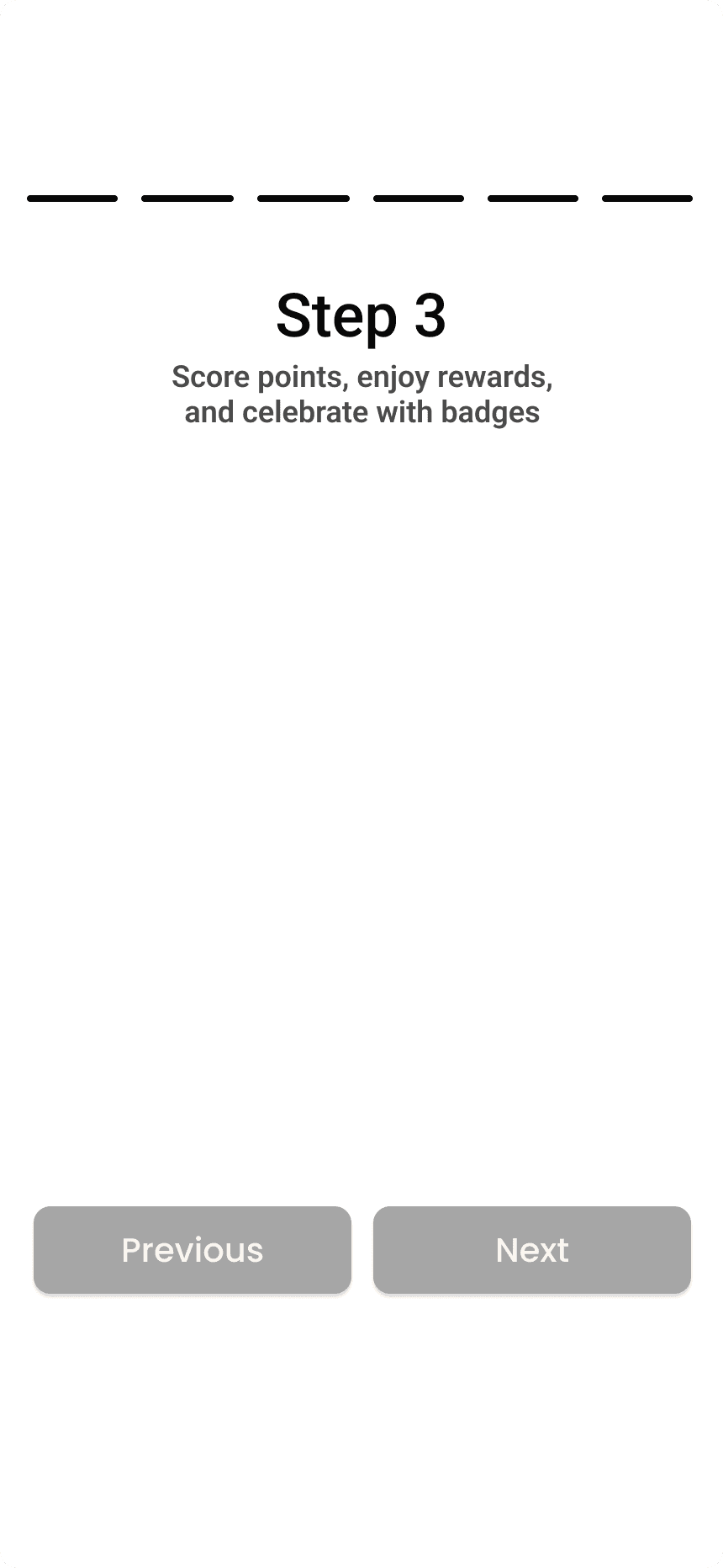
The onboarding experience in Kitchen Karma is designed to be simple and personalized. Users start by creating an account and selecting their country and region to receive culturally tailored recipes. A brief walkthrough then introduces the app’s main features—daily challenges, streaks, and rewards—helping users quickly understand how to begin their cooking journey with confidence and motivation.
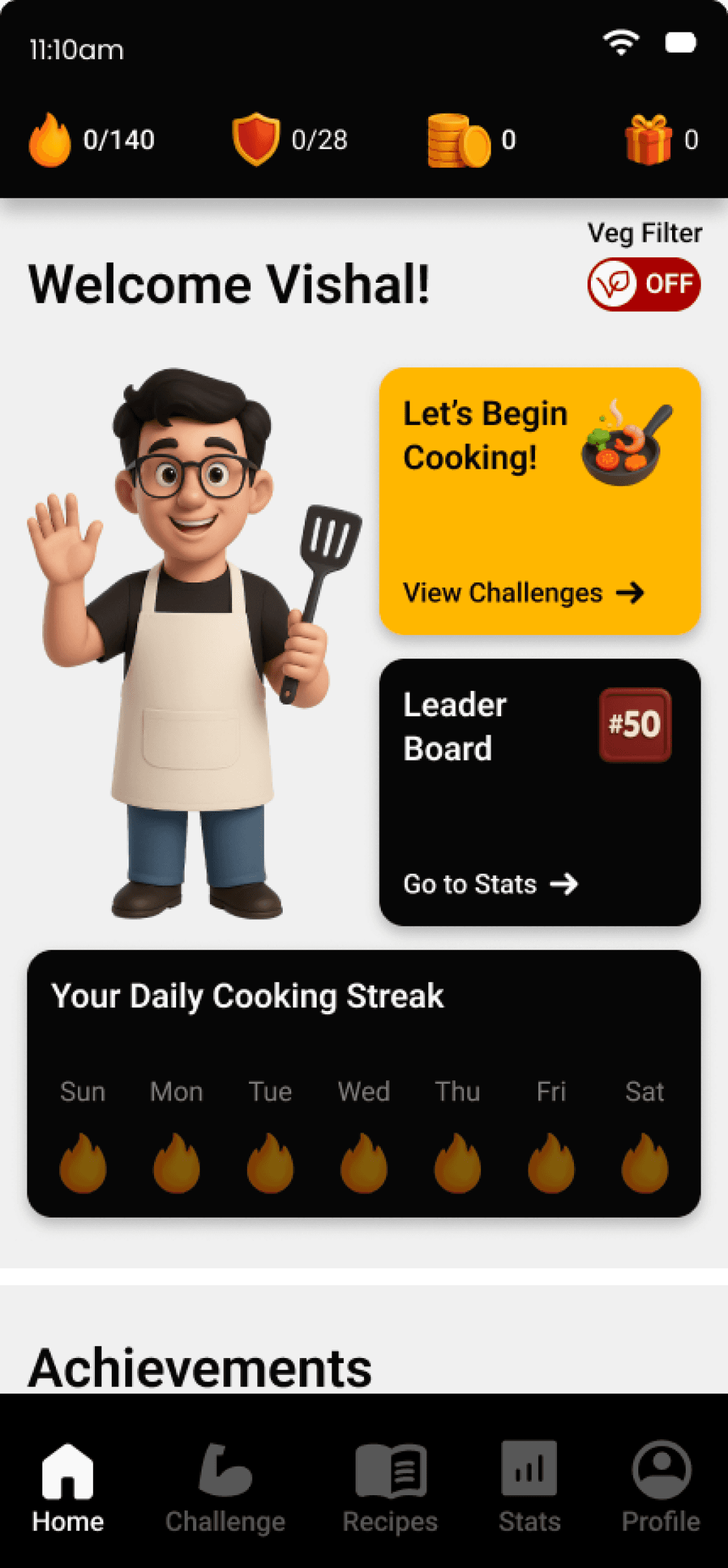
Kitchen Karma application Features
Gamification for Motivation – Users earn rewards, badges, and streaks for completing cooking challenges, turning daily meals into a fun and rewarding experience.
Extensive Recipe Library – Access to 1,000+ unique regional recipes that promote healthy, balanced, and authentic cooking experiences.
Smart Filters – Filter recipes by time to cook, region, or ingredients, helping users find meals that fit their schedule and taste.
Progress & Rewards System – Track cooking consistency through streaks and milestones while unlocking achievements that boost motivation.
Cultural Exploration – Discover new dishes from different Indian regions through an interactive map that celebrates diversity and tradition.
Process of Trigger to Rewards
The Gamification Process in Kitchen Karma turns cooking into a fun and rewarding challenge. Users begin by selecting a dish to cook, follow guided steps through the recipe, and upload a photo of their completed meal. Each finished challenge earns streaks, tokens, and rewards, helping users track progress and unlock badges and achievements. This process keeps cooking exciting, consistent, and habit-forming through a sense of accomplishment and progression.
Design Process
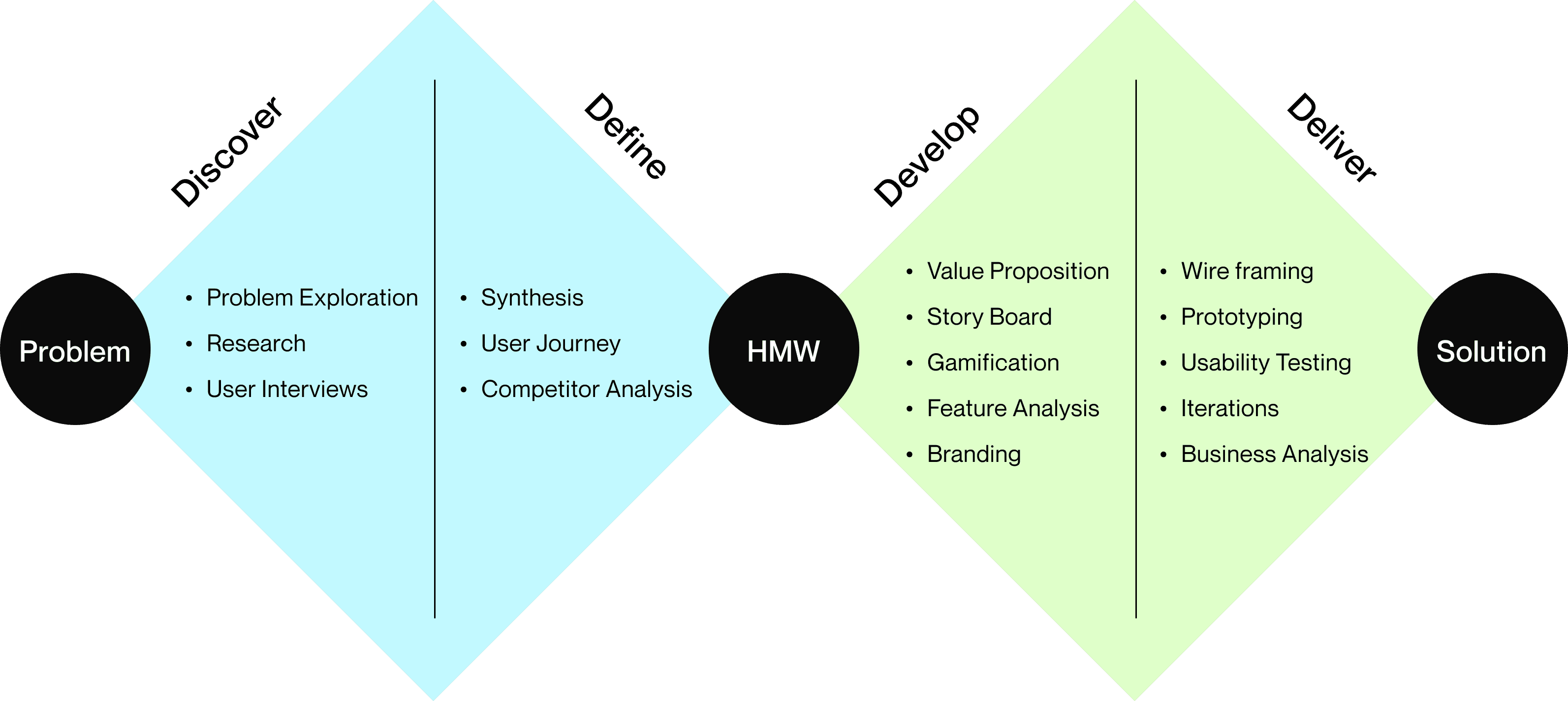
To develop the product, I utilized the five planes of design outlined in book The Elements of User Experience. The process incorporated four key elements of habit-forming design, inspired by principles from the Hooked model.
The project was structured into five stages aligned with the five planes, ensuring a comprehensive approach to product development. After building the prototype, I conducted usability testing and rapid validation experiments to evaluate and enhance the product's effectiveness.
How Big is the Problem?
Each year, thousands of students travel to the United States to pursue higher education, bringing with them diverse cultures, traditions, and culinary practices. Upon beginning their academic journey, they often encounter the challenge of adapting to an unfamiliar food environment. The shift from home-cooked, culturally rooted meals to quick and convenient options frequently results in unhealthy eating habits. Over time, this change affects not only physical health—leading to fatigue, weight fluctuations, and nutritional imbalance—but also contributes to emotional and cultural disconnection. Food, once a source of comfort and identity, gradually becomes a daily struggle shaped by time constraints, limited accessibility, and the demands of student life.
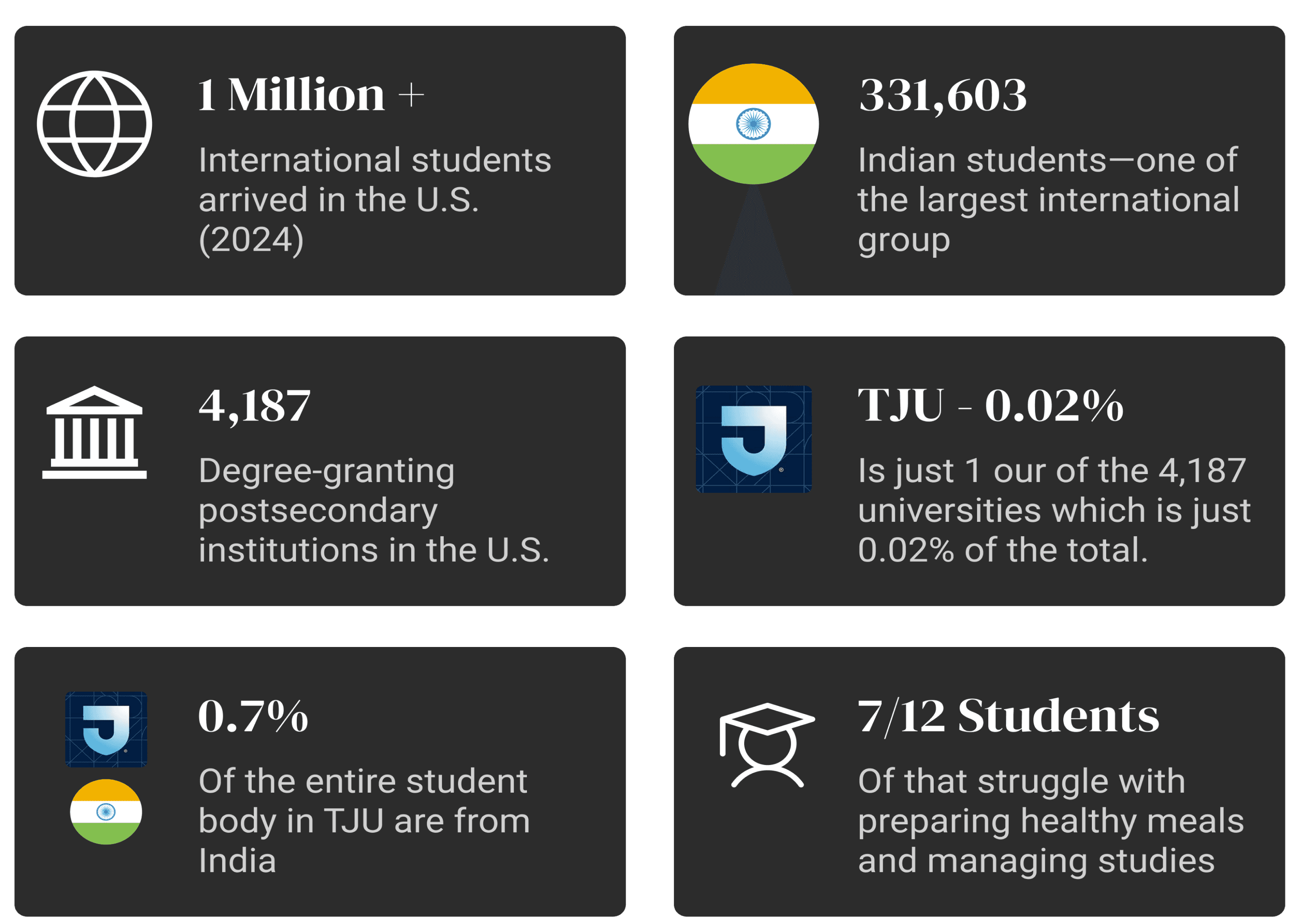
If this trend holds nationally, an estimated
~248,000
Indian students which is 74.8% of the total Indian student population in the U.S. could be struggling with similar issues.
Primary Research
User Interviews
In order to understand the problem from a firsthand perspective, primary research was conducted with a focus on qualitative interviews. A total of twelve Indian international students from Thomas Jefferson University participated in the study. Each participant had recently moved to the United States to pursue higher education and was adapting to a new cultural and food environment.
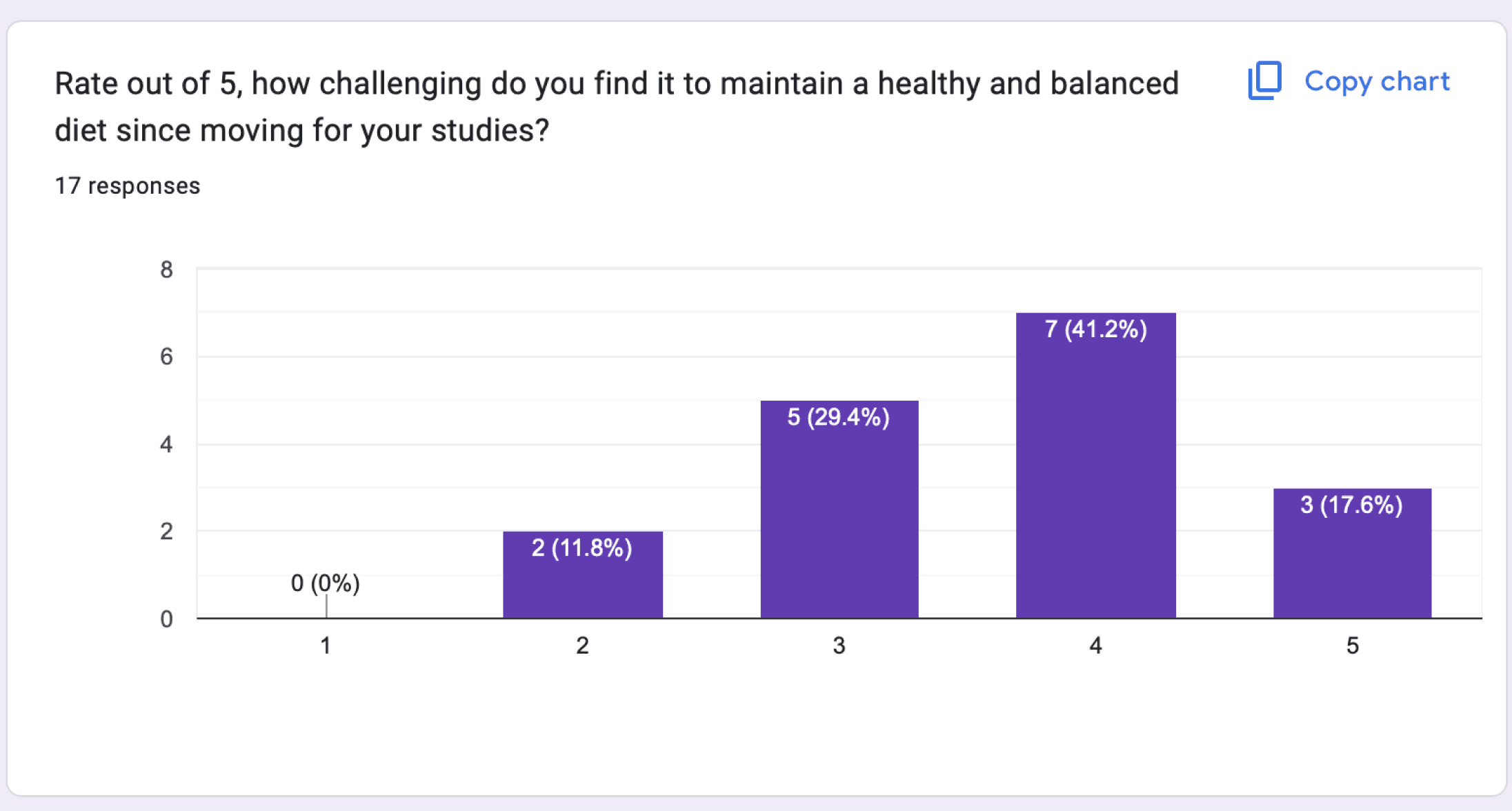
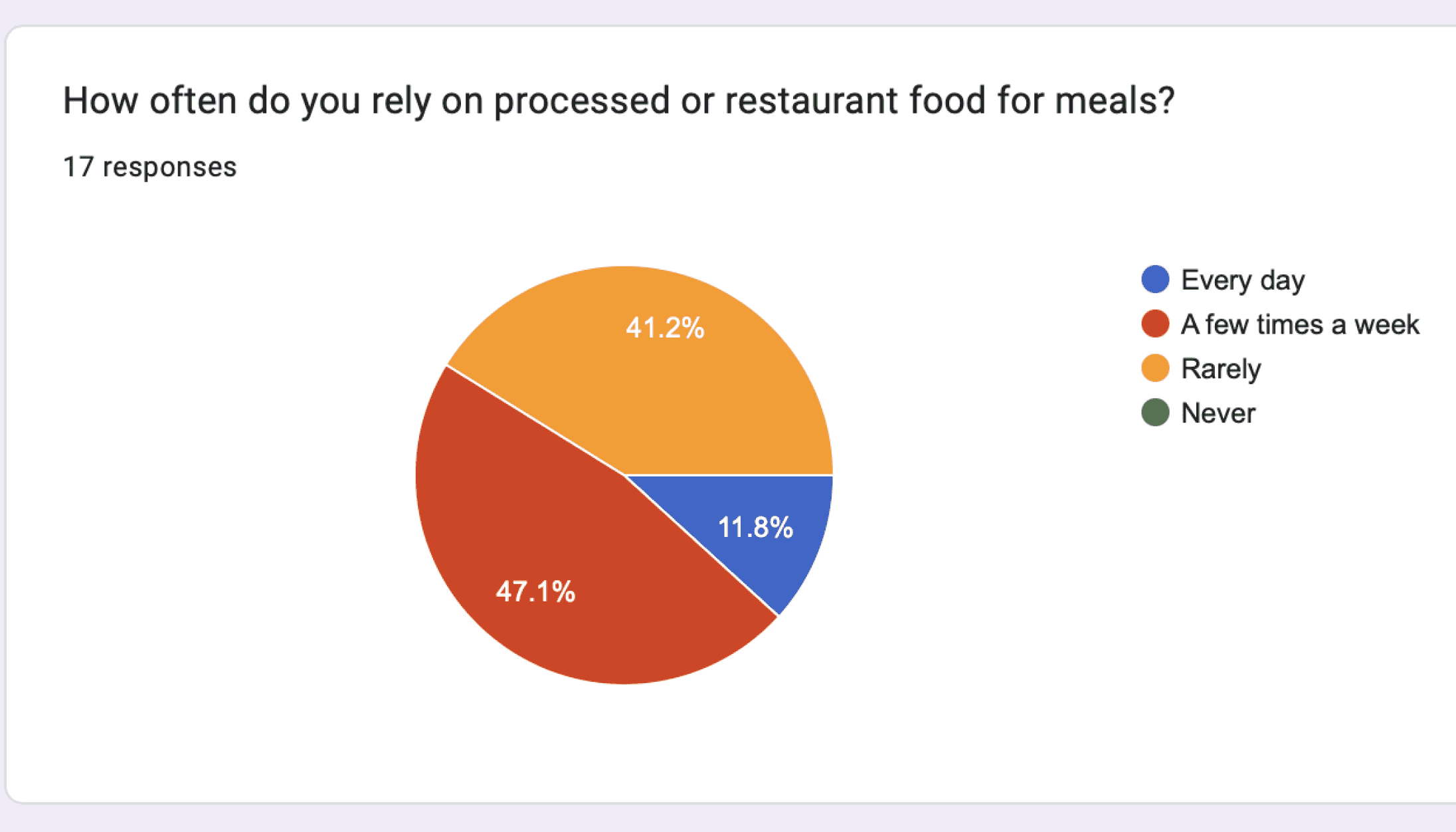
Participant Recruitment Process
To recruit participants for the primary research interviews, a short screening survey was distributed among Indian students at Thomas Jefferson University. The survey aimed to identify individuals who had recently moved to the United States and were adjusting to a new food environment. It included questions about their cooking frequency, access to familiar ingredients, grocery preferences, eating habits, and health concerns.
Interview Debrief
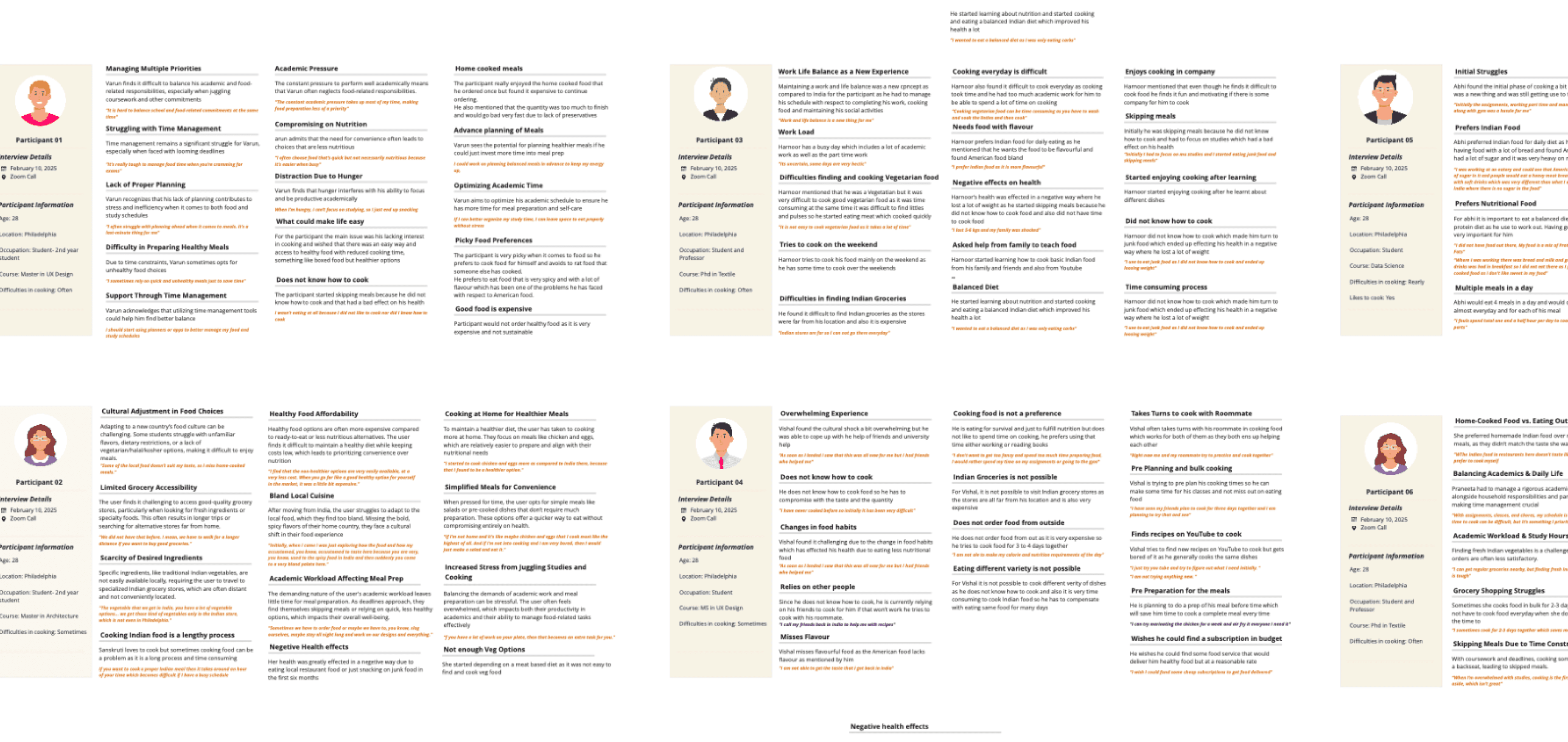
After conducting the user interviews, detailed debrief sessions were held to organize and interpret the collected data. Each interview was reviewed to identify recurring themes, emotional responses, and behavioral patterns related to cooking habits and food challenges. Notes and transcripts were analyzed to highlight key pain points such as lack of time, limited access to regional groceries, and low motivation to cook. These debriefs provided a foundation for the affinity mapping and synthesis process, allowing the research findings to be translated into clear insights that guided the next stages of design development.
Affinity Mapping
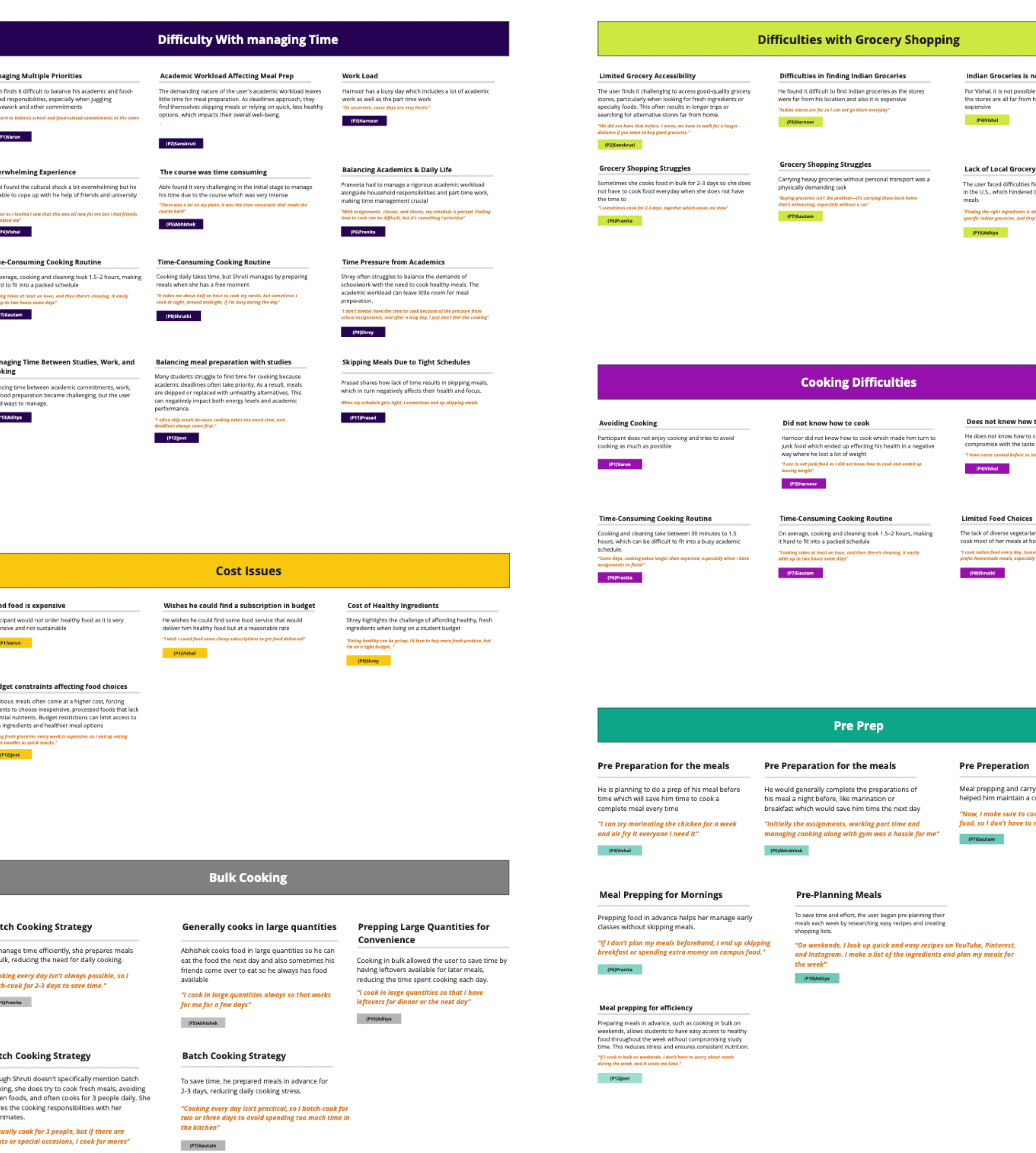
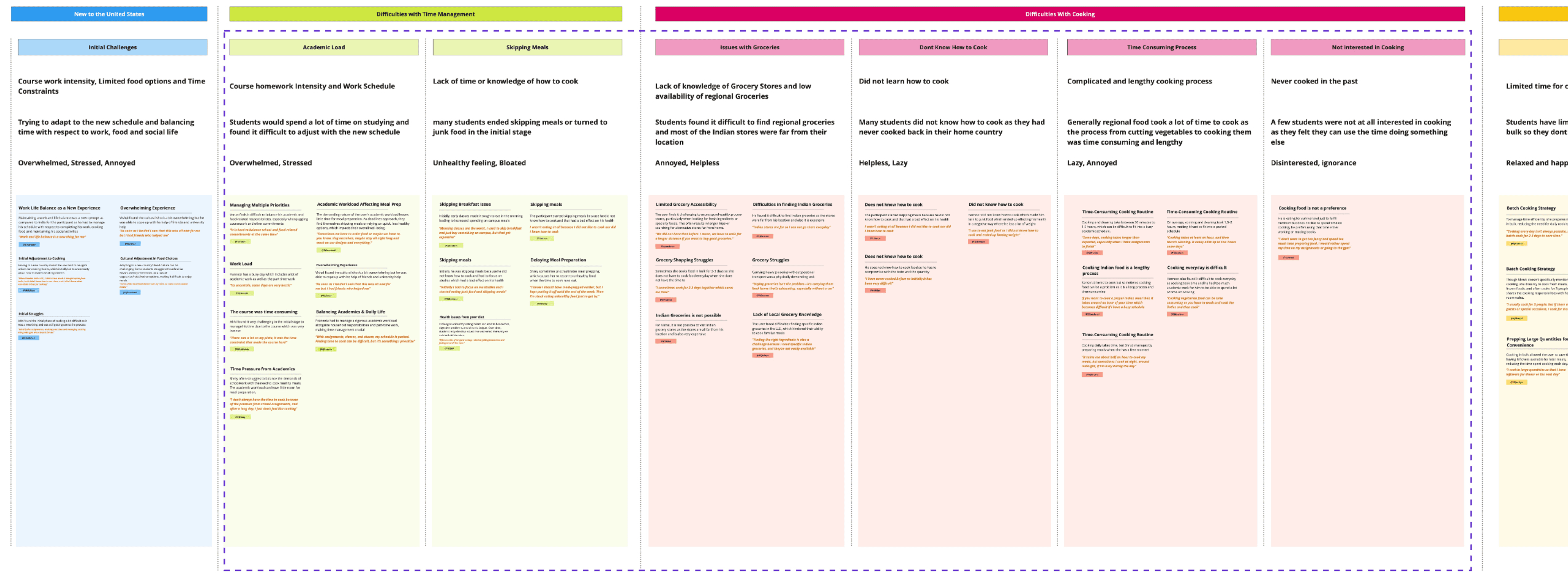
To organize and interpret the qualitative data gathered from user interviews, an affinity mapping exercise was conducted. Each interview response was broken down into key observations and grouped according to common themes. This process helped in visually connecting shared experiences and identifying recurring issues faced by students during their transition to life in the U.S.
The mapping revealed several major categories, including Initial Challenges (within the first six months of moving to the U.S.), Challenges with Vegetarian Food, Difficulty with Managing Time, Difficulties with Grocery Shopping, Negative Health Effects, and Cost Issues. Additional clusters such as Enjoyment of Cooking Together and Preference for Bulk Cooking highlighted positive behaviors that could be built upon in the design solution. The exercise provided a structured understanding of students’ pain points, motivations, and coping patterns, forming the foundation for deeper synthesis in subsequent stages.
Affinity Mapping
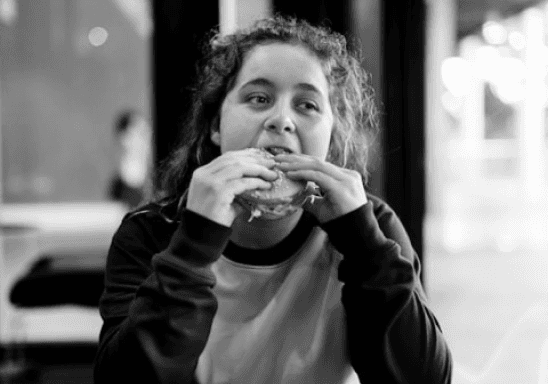
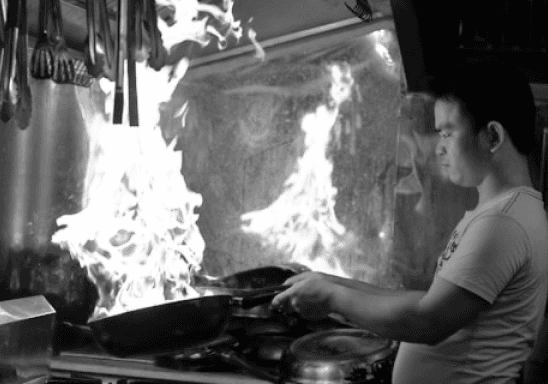
A user journey map was created to visualize the experiences of international students during their first six months in the United States. Based on interview insights, the map outlines the emotional, behavioral, and practical stages students go through as they adapt to a new food culture. It highlights key challenges such as cooking difficulties, time constraints, and limited access to familiar groceries.





Interview Debrief
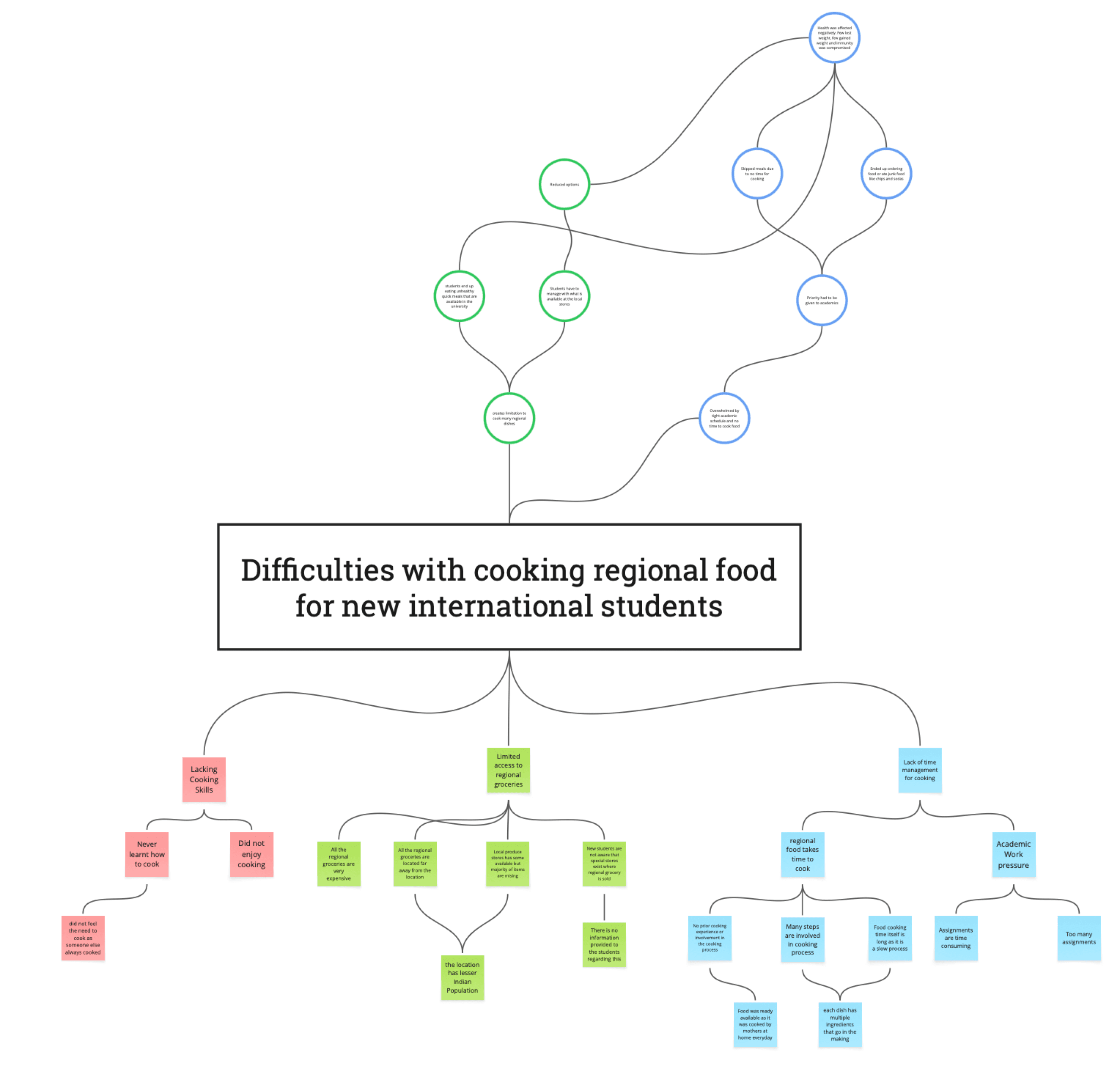
To identify the underlying reasons behind why students struggle to cook regularly, a root cause analysis was conducted. This process helped move beyond surface-level challenges such as time or motivation to reveal deeper behavioral and contextual factors. The analysis connected issues like cooking confidence, cultural adjustment, and resource accessibility to students’ broader lifestyle patterns. It highlighted that the inability to cook was not a standalone problem but the result of multiple interlinked challenges shaped by their new environment.
5 Why’s
A 5 Whys analysis was used to further break down each major challenge by repeatedly asking “why” to uncover its core cause. For example, when students mentioned not having time to cook, deeper questioning revealed that academic workload, fatigue, and poor time management were driving factors. Similarly, lack of motivation was traced back to emotional detachment from familiar food culture and the absence of social cooking experiences. This exercise revealed that the root causes stemmed from a mix of emotional, cultural, and environmental barriers, forming a strong foundation for defining design opportunities in the next phase.

01 Lack of Time
Why 1: Because they spend most of their day attending classes, working part-time, and studying.
Why 2: Because their schedules are tightly packed, leaving limited time for meal preparation.
Why 3: Because cooking from scratch feels time-consuming and requires planning and cleanup.
Why 4: Because they lack experience with quick meal prep and time management strategies.
Why 5: Because no system or support helps them simplify cooking or integrate it into their busy routines.

02 Lack of Motivation
Why 1: Because they often feel tired or mentally drained after classes and work.
Why 2: Because cooking feels like an extra chore rather than an enjoyable activity.
Why 3: Because they cook alone and miss the social or emotional connection tied to food at home.
Why 4: Because they cannot easily recreate familiar dishes due to limited ingredients or skill.
Why 5: Because there is no system that reinforces positive emotion, reward, or habit formation around cooking.
Both analyses reveal that the difficulty in cooking among international students stems from two interconnected dimensions — practical barriers and emotional barriers. Practically, students lack time-efficient tools, planning systems, and accessible cooking methods. Emotionally, they feel disconnected from the cultural and social joy of cooking, which diminishes their motivation to engage. Together, these factors form the core problem:
Competitor Analysis
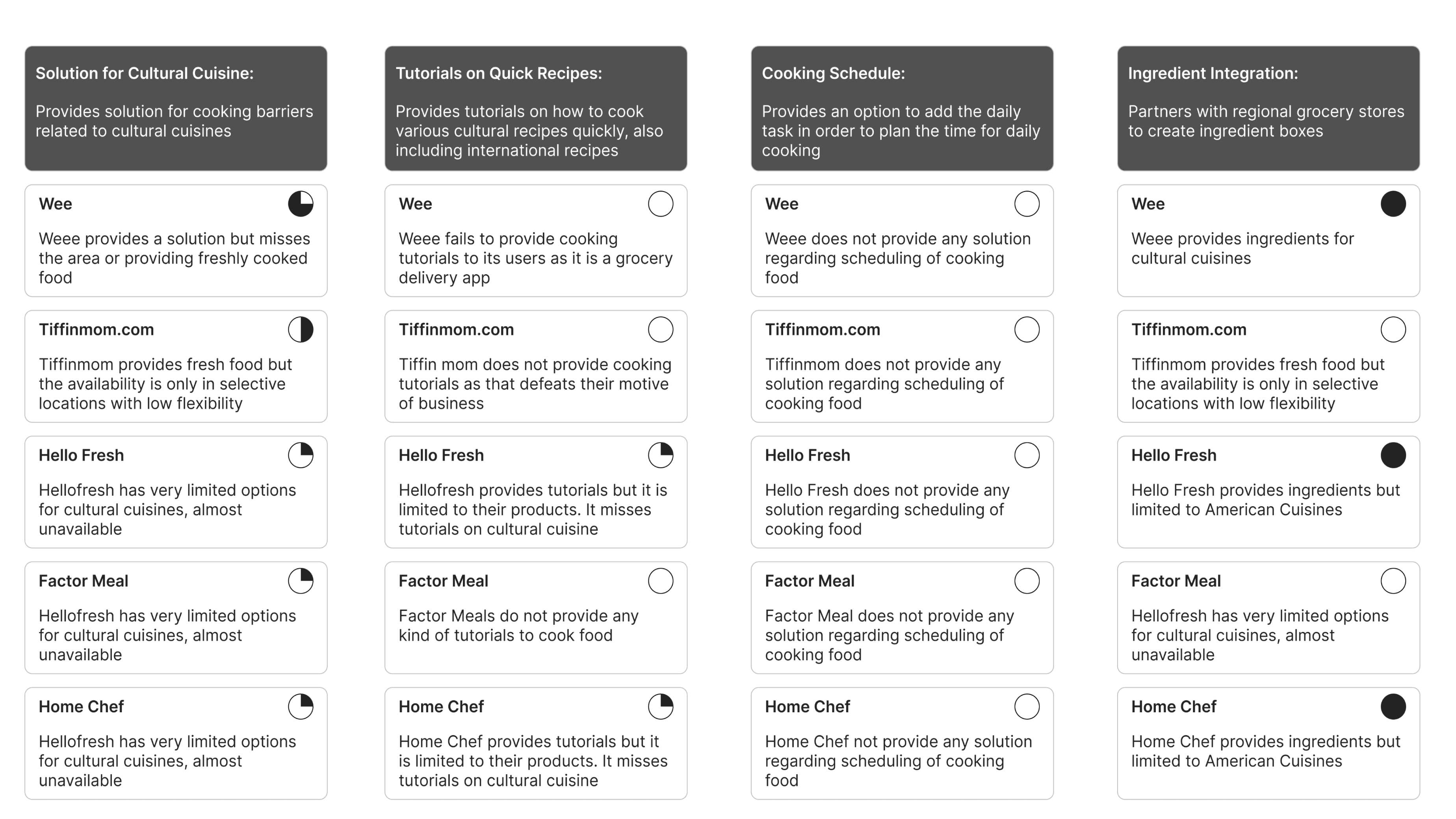
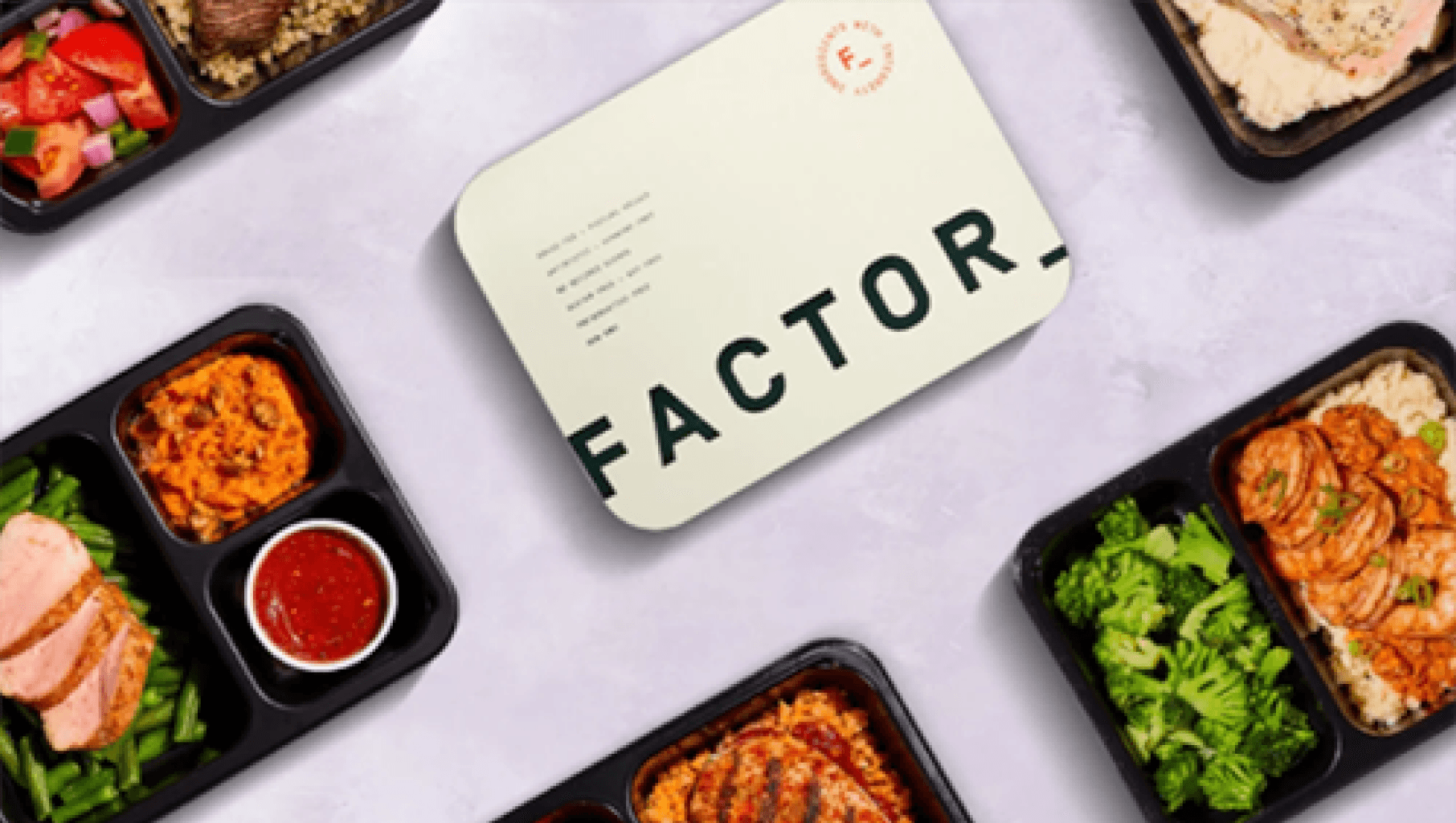
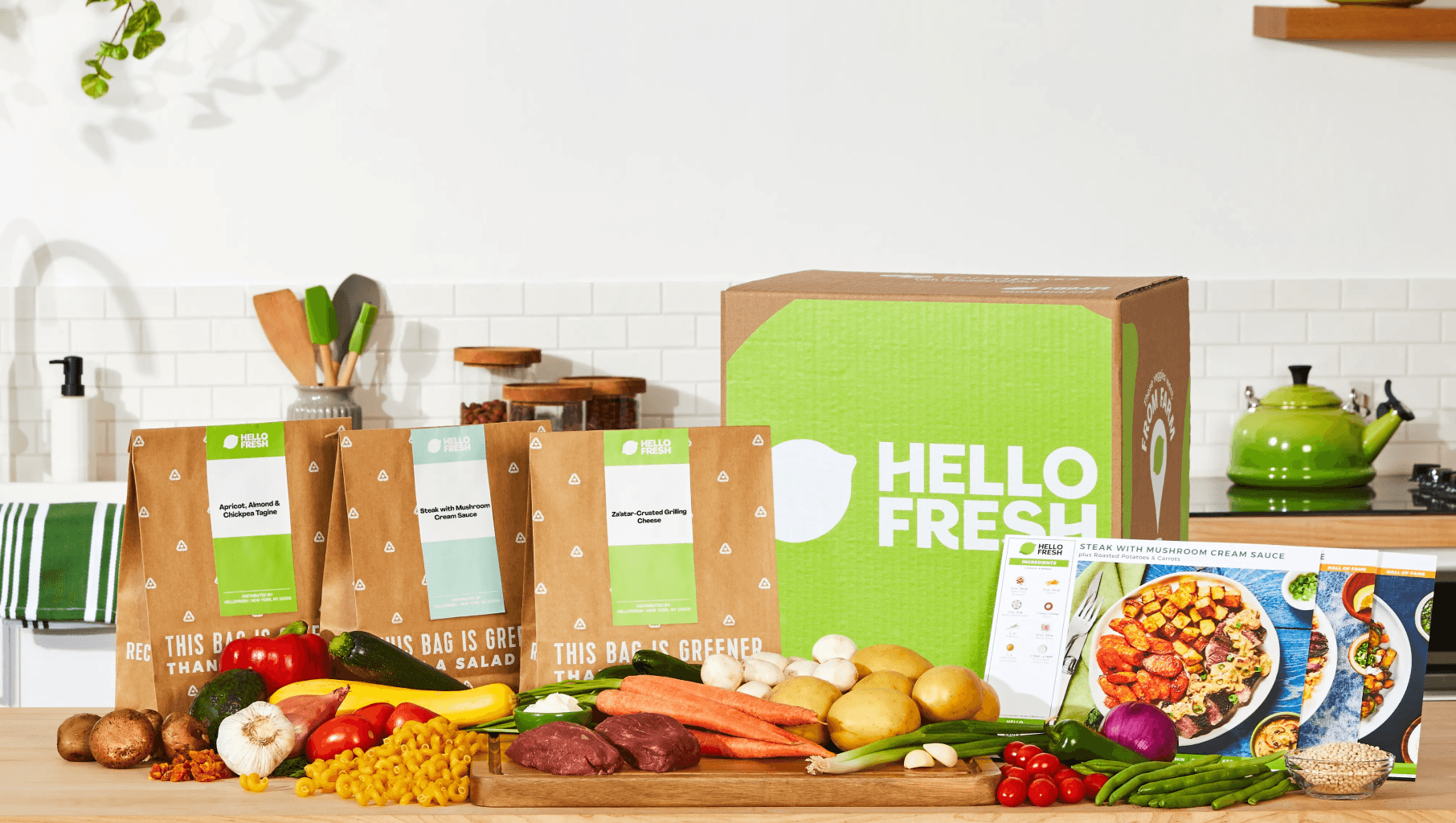
To evaluate the current landscape of food and cooking solutions, a competitor analysis was conducted across popular services such as Factor Meals, HelloFresh, and Weee. While these platforms provide quick meal or grocery options, none fully address the cultural, emotional, and practical needs of Indian international students seeking regional, home-style meals. Most focus on convenience or nutrition but overlook the importance of cultural familiarity, ingredient accessibility, and motivation to cook. This gap revealed an opportunity to design a platform that not only simplifies meal preparation but also reconnects students with their traditional food culture in an enjoyable, meaningful way.
Existing Solutions Fall Short
Although several apps and services aim to simplify meal preparation and grocery shopping, most fail to meet the unique needs of Indian international students. Platforms like HelloFresh and Factor Meals focus on convenience but lack cultural authenticity and customization for regional cuisines. Grocery delivery apps such as Weee offer access to ingredients but do not support users in learning how to cook or build consistent habits. As a result, these solutions address only parts of the problem—speed or access—but overlook the emotional and cultural connection that makes cooking meaningful for this audience.
Problem Statement
“How might we reduce the time it takes for Indian international students to prepare their regional meals, while keeping them motivated to cook regularly, so they can maintain healthy eating habits and prevent poor health and academic outcomes?”
What are we solving?
Who are the Users?
Why are we solving?
3. The Develop Stage
My next step was to begin the Develop Stage of the Double Diamond process, where the goal was to explore and expand possible solutions derived from the research insights. This stage allowed me to translate user needs into actionable ideas, identify key opportunities, and start shaping the core features that would effectively address the challenges faced by international students in the Kitchen Karma app.

Value Proposition
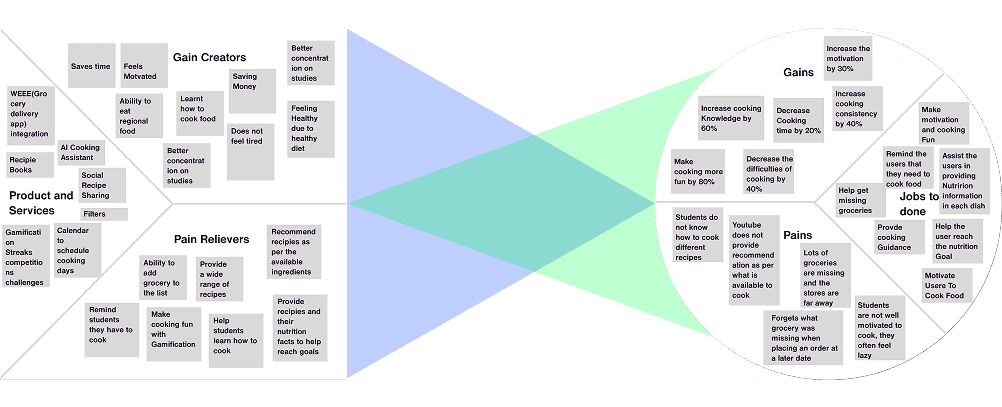
“Our mobile application helps international students from India in the USA who lack time and cooking experience to start cooking their regional meals daily and build a lasting habit by making the process fun and educational through gamification features like streaks, leaderboards, and challenges. Along with this, the app provides a wide variety of quick, healthy, and authentic Indian recipe videos that can be filtered by time, region, and ingredients — unlike generic cooking apps that only provide recipes without addressing cultural authenticity, learning, or sustained motivation.”
Storyboard
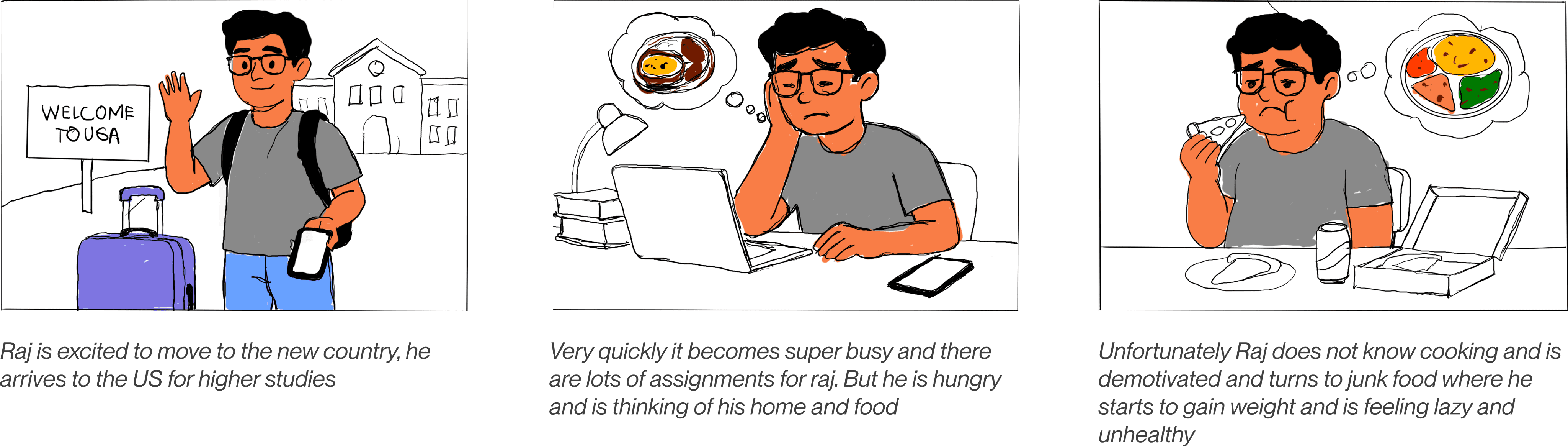
I created a storyboard to visualize the journey of an international student using Kitchen Karma. It illustrates the shift from struggling to cook due to time and motivation challenges to discovering the app, completing challenges, and feeling rewarded. This helped communicate the user’s emotions and the value the app brings at each stage of the experience.
Competitor Analysis
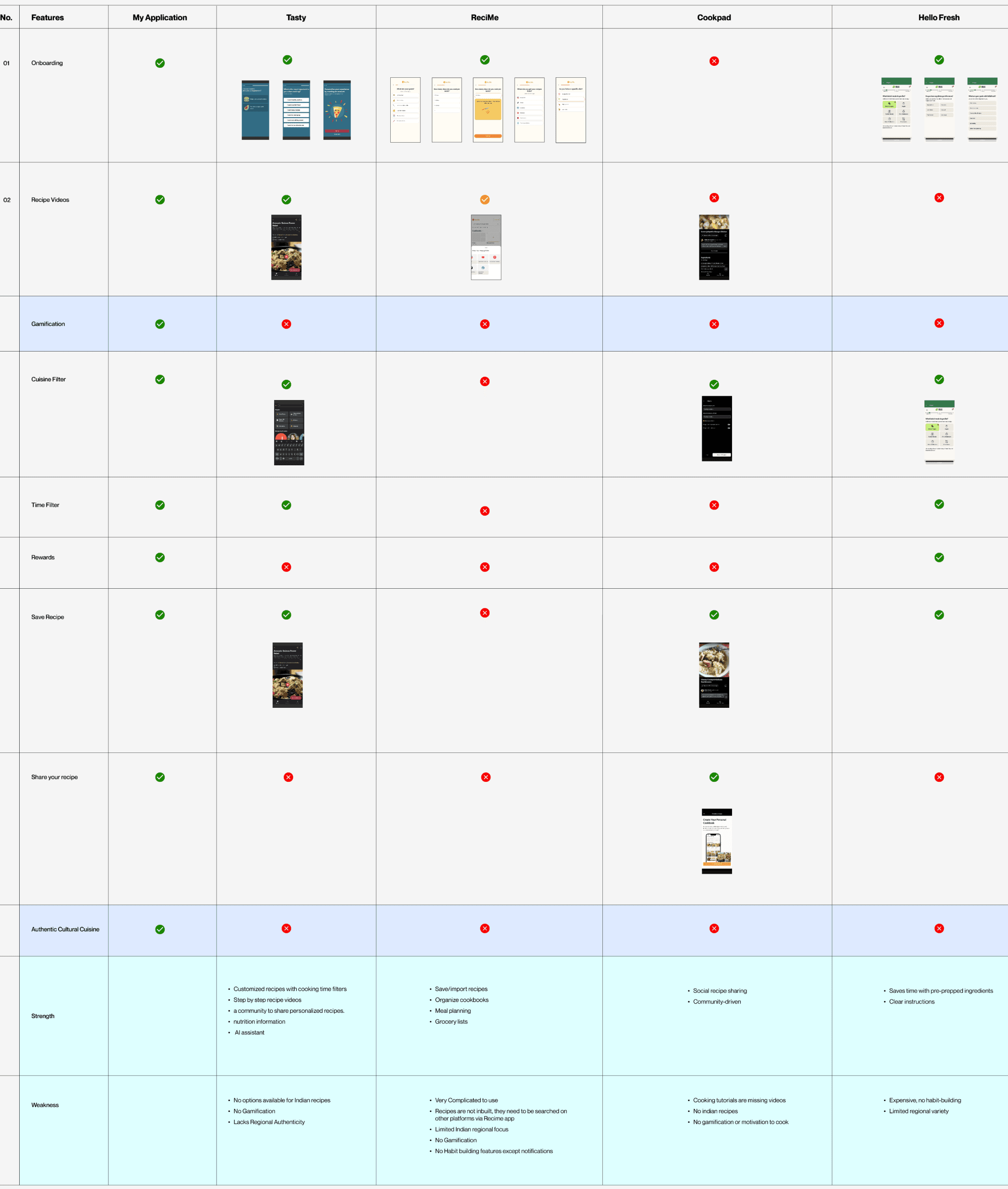
My first step in the Develop Stage was a competitor analysis to understand what existing apps offer before defining features for Kitchen Karma. I studied apps like Tasty, Recime, Sanjeev Kapoor App, and Yummly to evaluate how they address cooking motivation, accessibility, and engagement.
Key Insight:
Most existing platforms provide recipe collections and tutorials but
Lack gamification elements that build consistency
No cultural relevance that connects users emotionally to their food.
Octalysis Framework
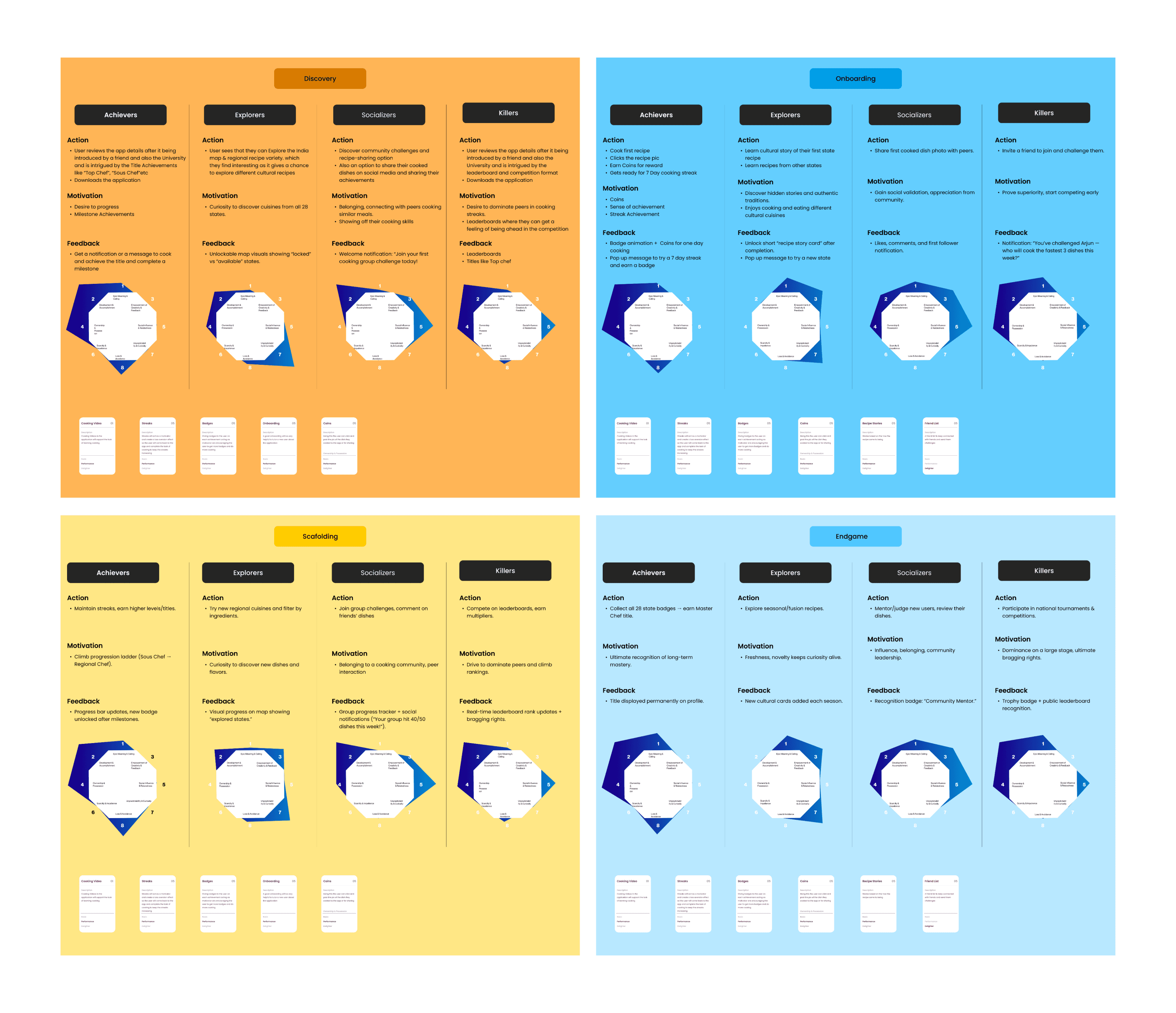
Next, I performed an Octalysis Framework analysis to understand which gamification elements would best motivate users within Kitchen Karma. This framework helped identify key psychological drivers behind engagement, such as accomplishment, ownership, and social influence. Based on these insights, my main focus for the MVP was the Achievers category — users who are motivated by progress, mastery, and visible rewards. Designing for this group shaped features like streaks, badges, and challenges, which encourage consistent participation and a sense of accomplishment.
MoSCoW Analysis
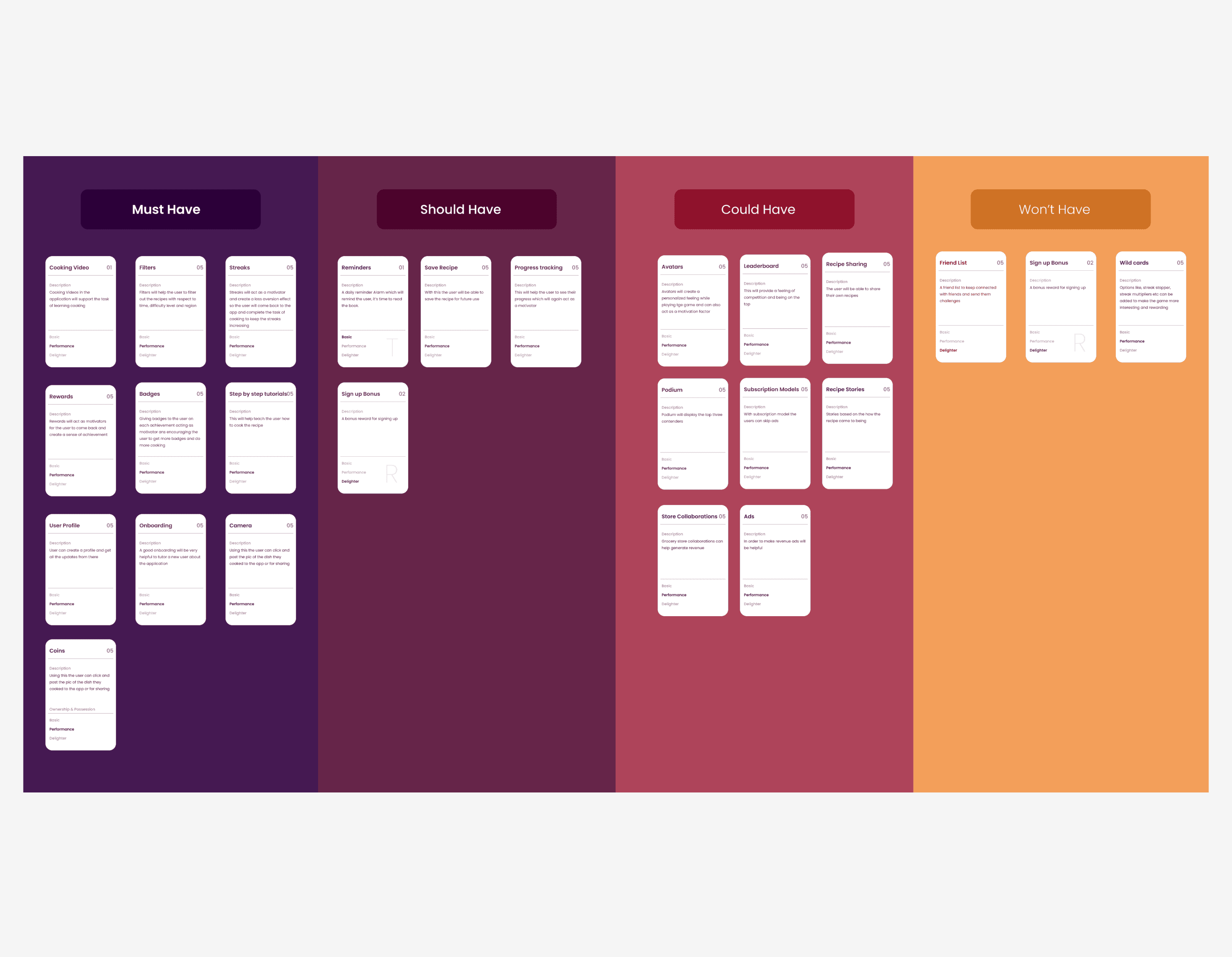
As the next step in the Develop Stage, I performed a MoSCoW Analysis to prioritize and shortlist the most important features for the Kitchen Karma MVP. This framework helped categorize features into Must-Haves, Should-Haves, Could-Haves, and Won’t-Haves, ensuring that the initial version focused on essential functions that deliver maximum user value. Through this process, I was able to balance user needs, technical feasibility, and project goals—laying the foundation for a focused, achievable, and engaging MVP experience
User Flow
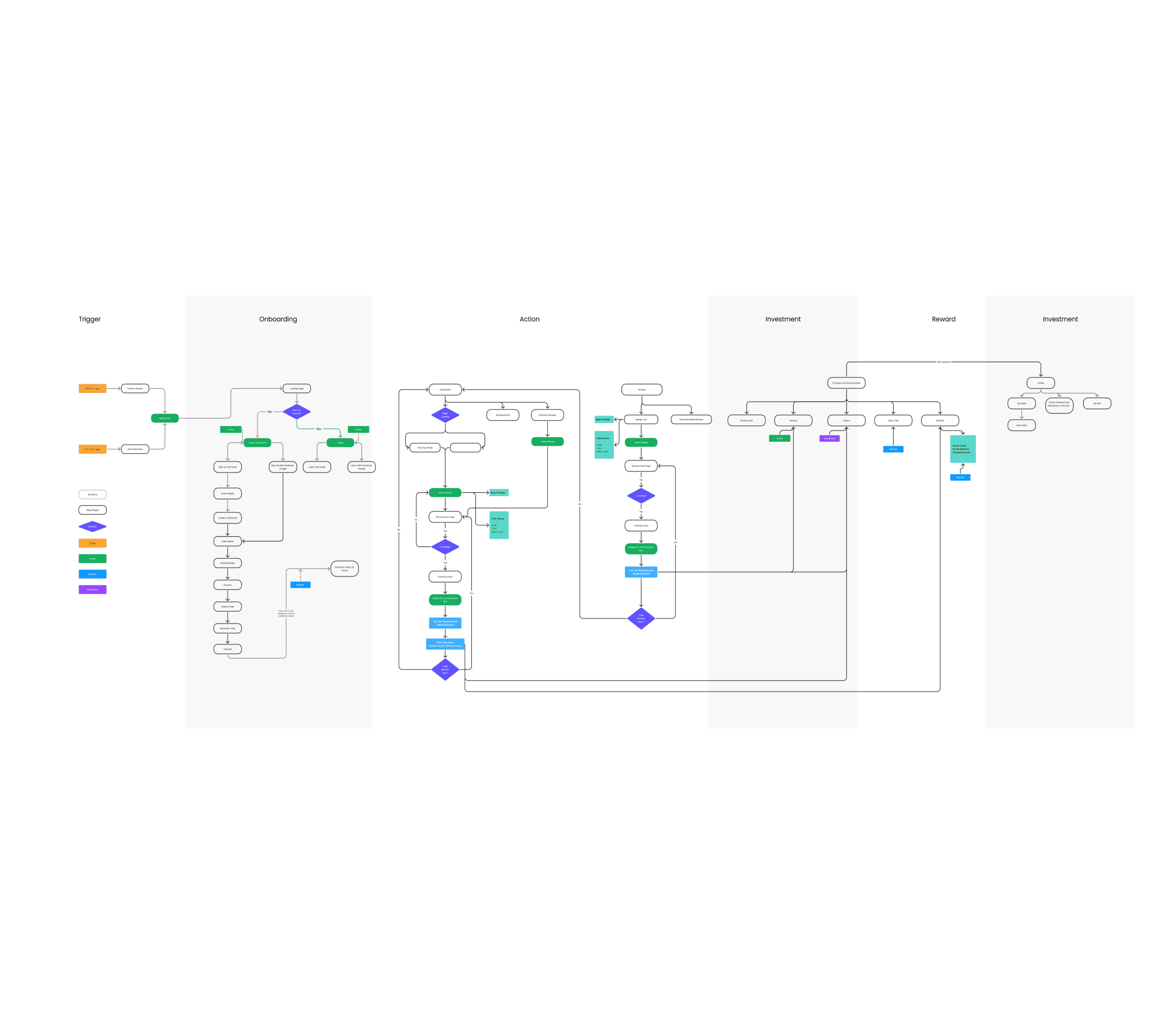
After shortlisting the MVP features, I created a User Flow to visualize how users would navigate through the Kitchen Karma application. This step helped map the entire experience—from onboarding and selecting challenges to cooking, uploading dish photos, and earning rewards. Designing the flow ensured that every interaction felt intuitive, goal-oriented, and aligned with the user’s motivation to build consistent cooking habits. It also served as a blueprint for structuring the information architecture and preparing for wireframing.
Style Guide
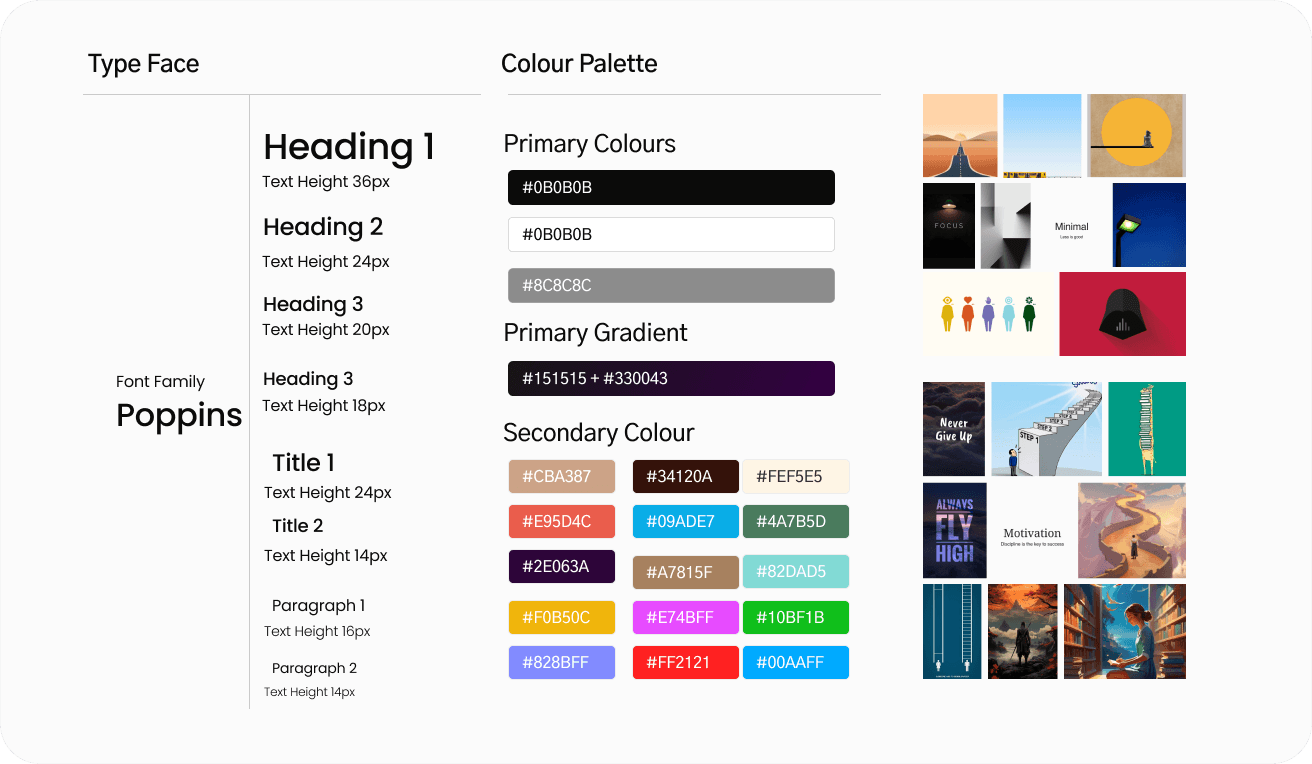
The next step in the design process was developing a mood board and style guide. This phase was crucial for establishing the visual identity of the product. The mood board helped define the overall aesthetic, tone, and emotional appeal, while the style guide ensured consistency in colors, typography, and design elements across the application. Together, these tools laid a strong foundation for creating a cohesive and visually engaging user experience.
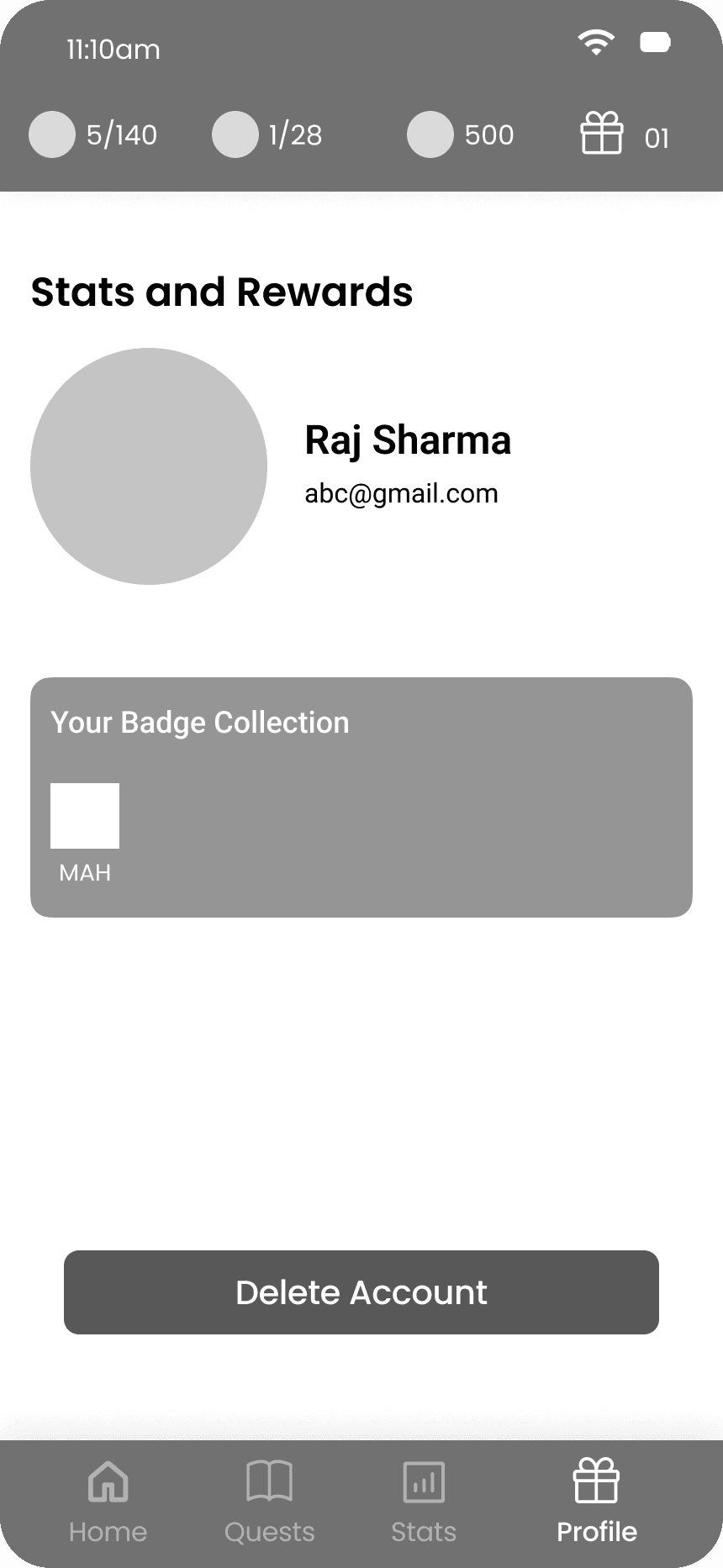
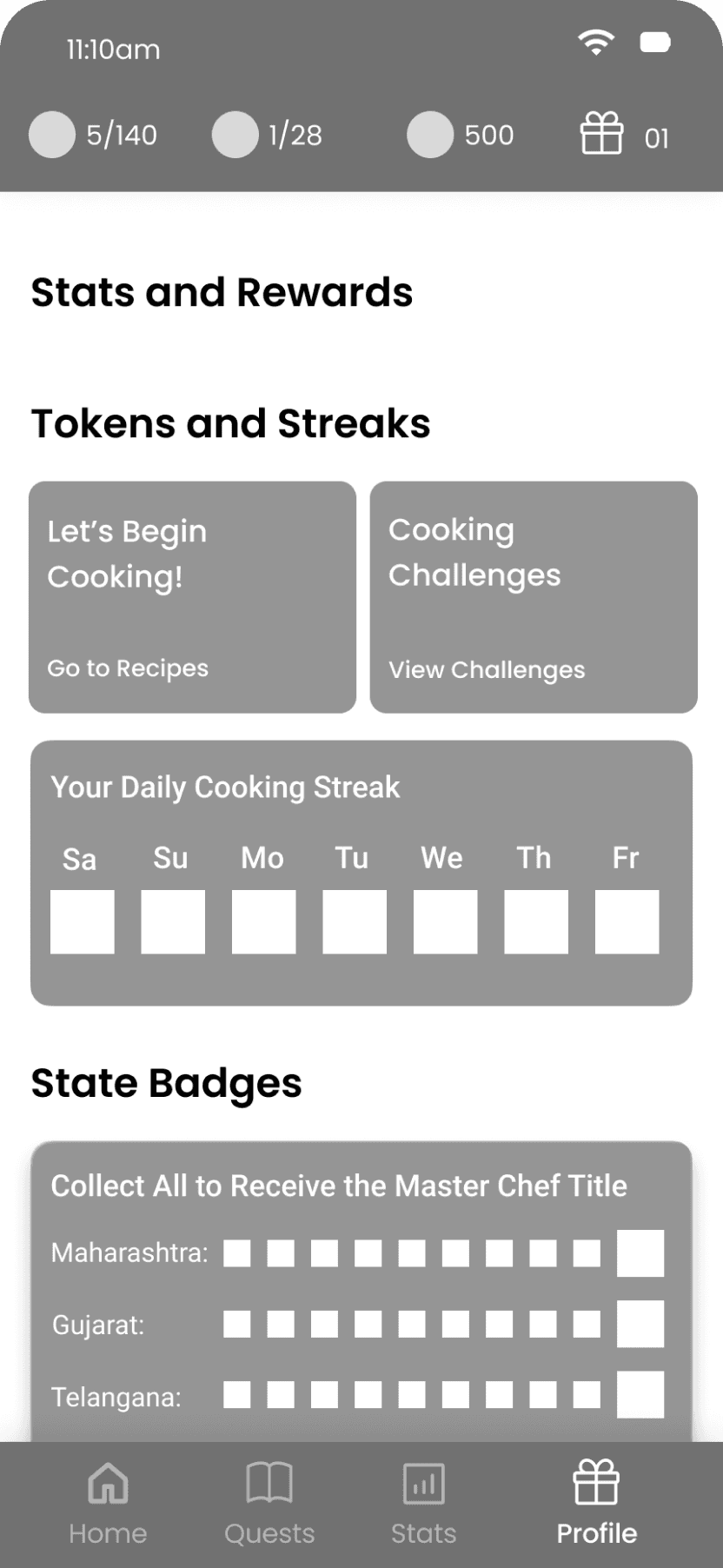
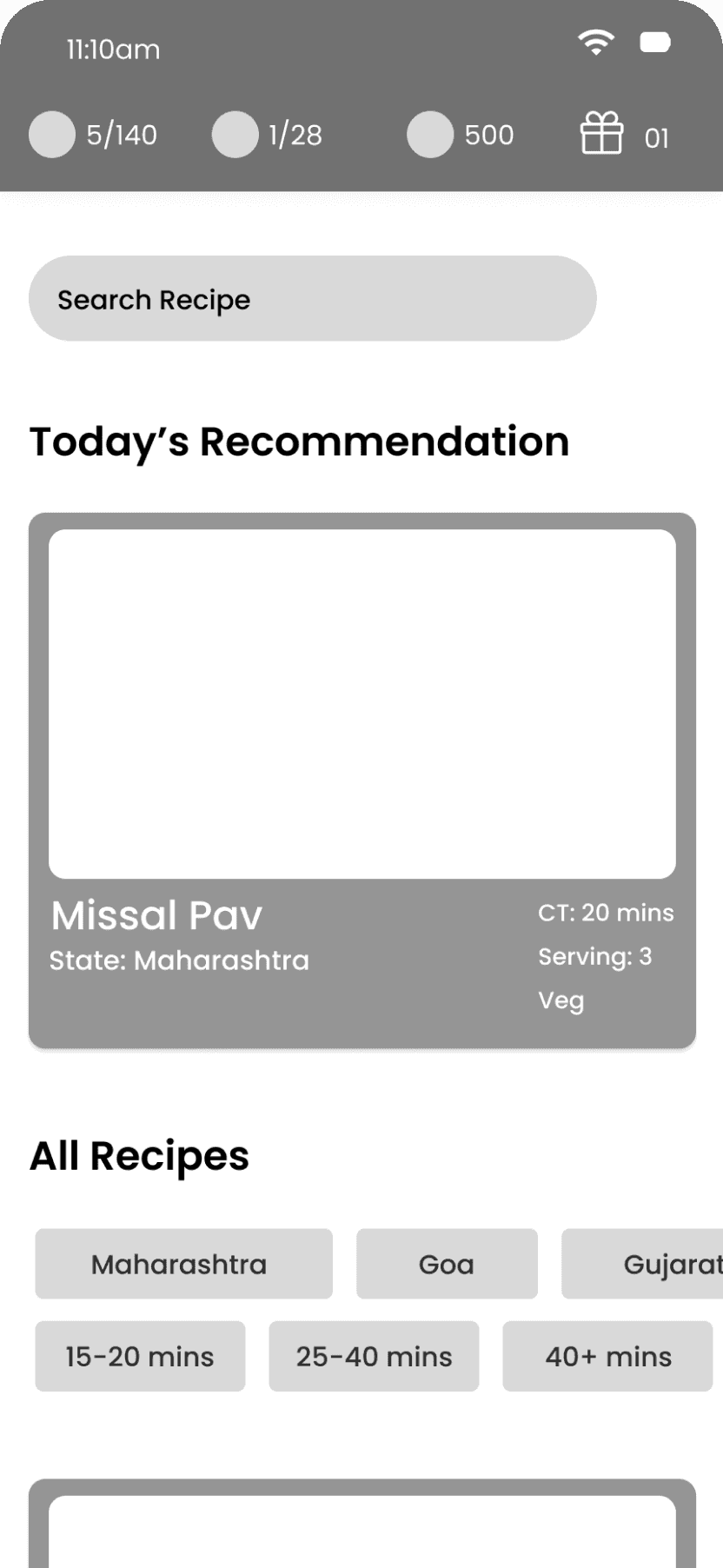
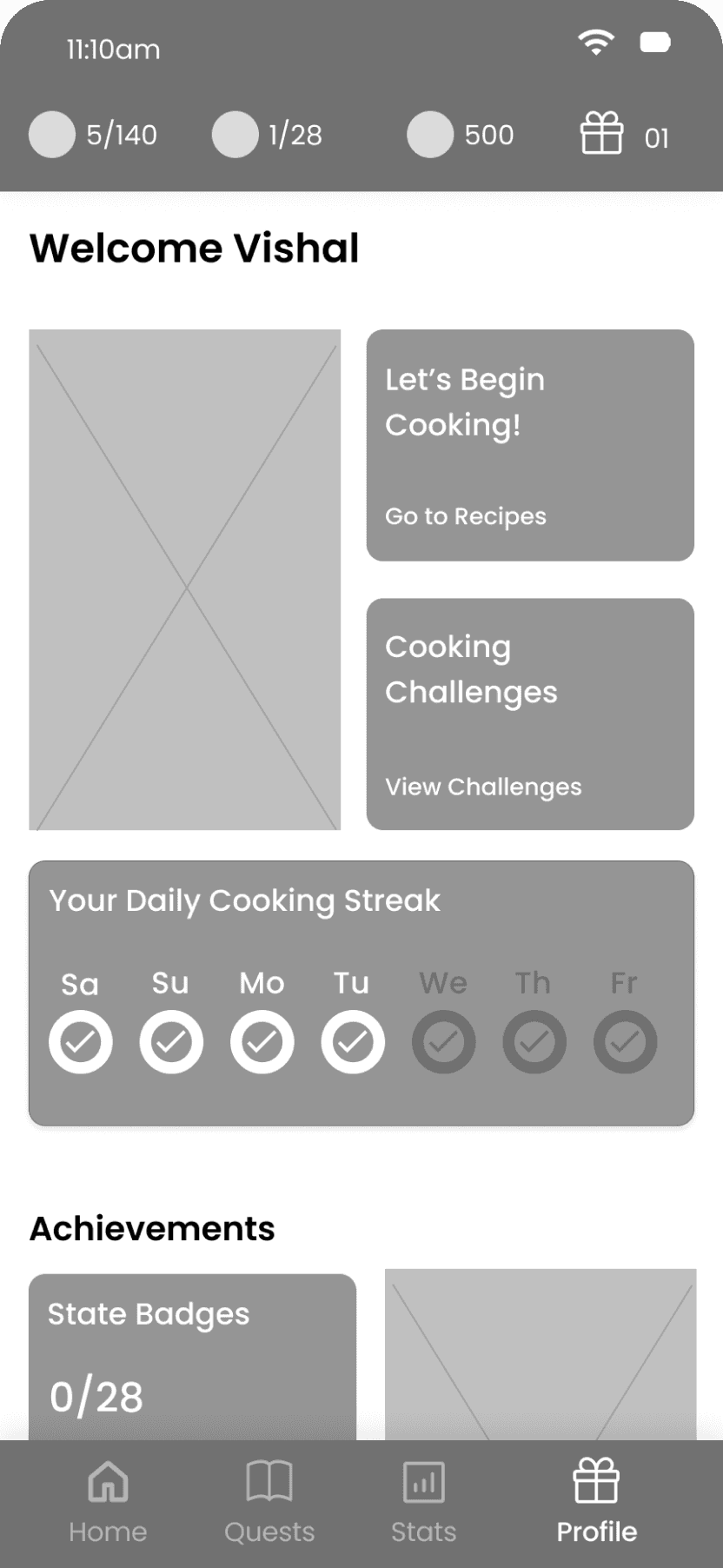
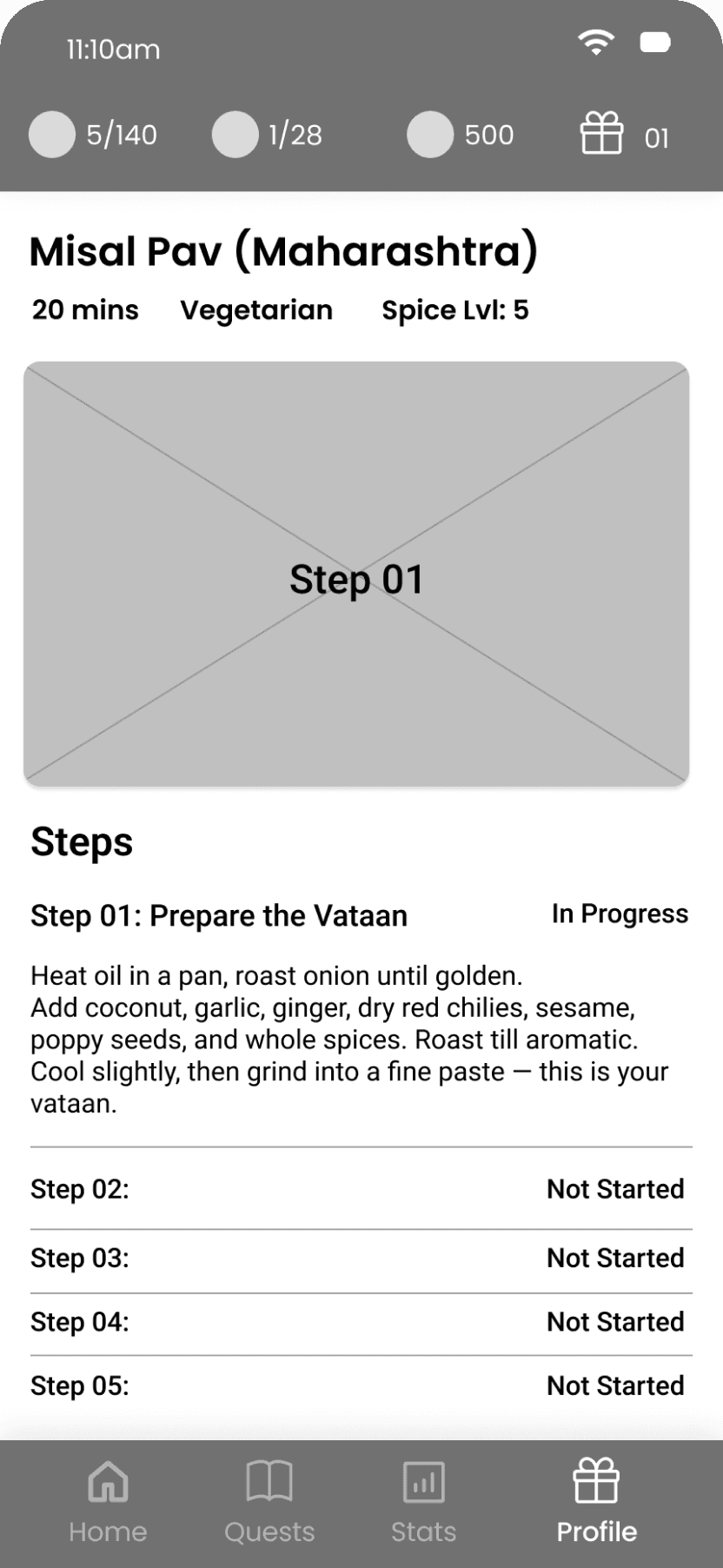
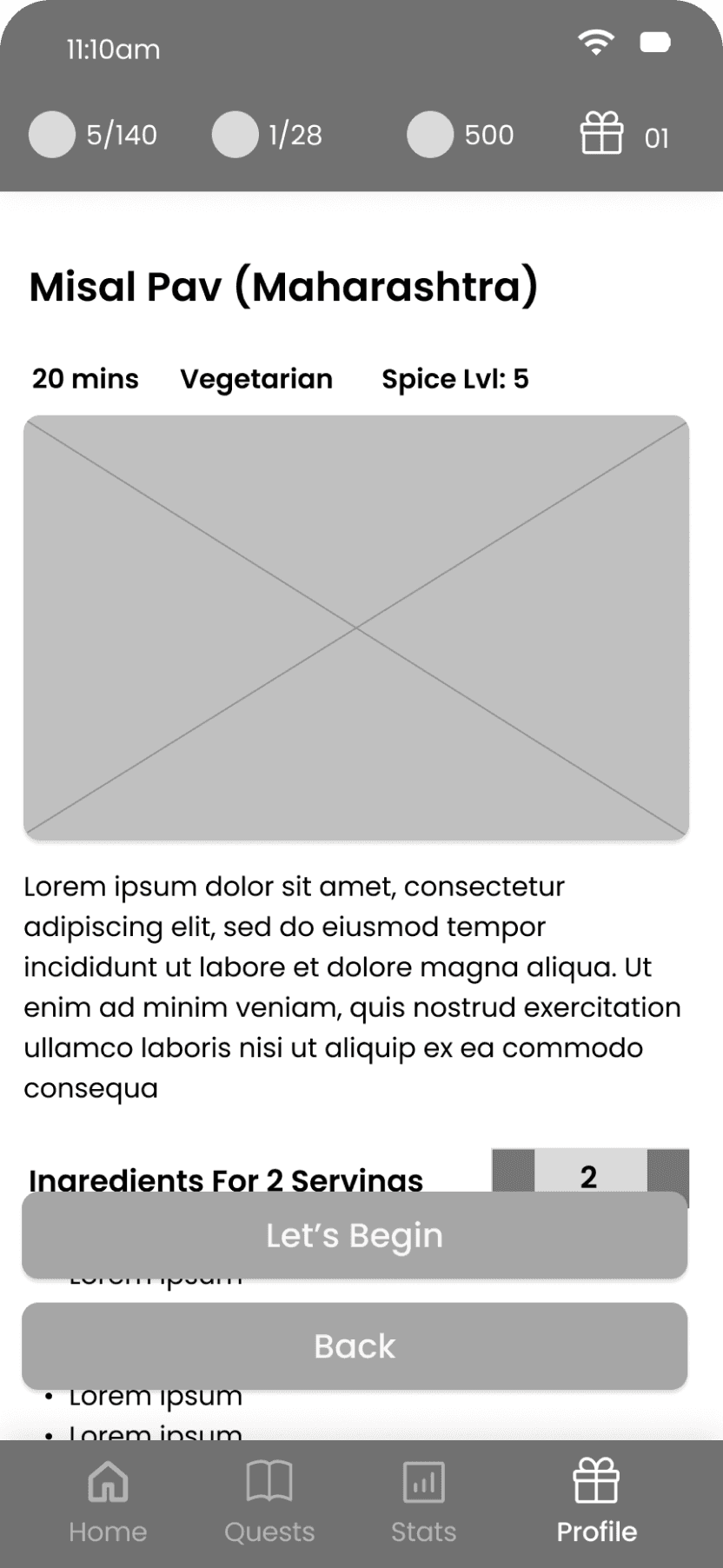
Wireframing
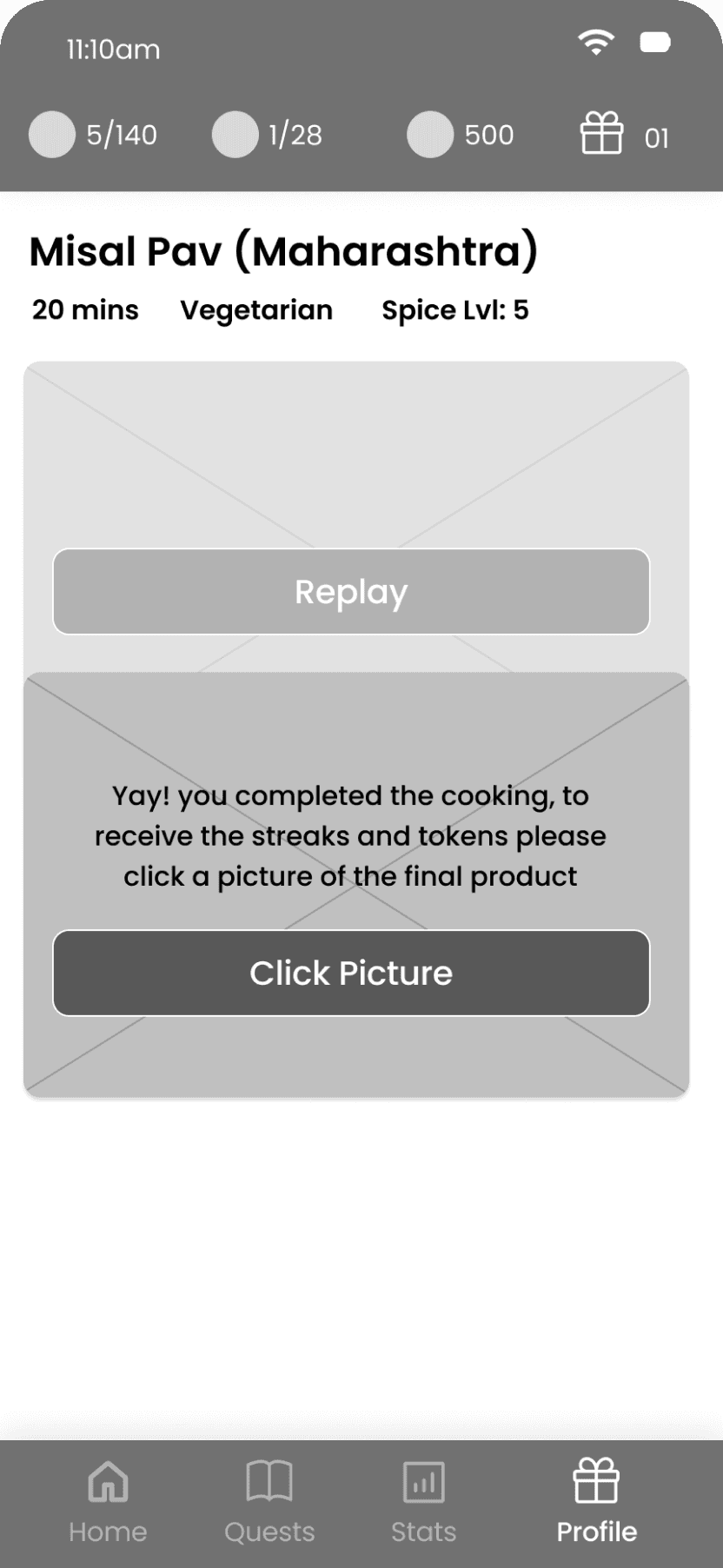
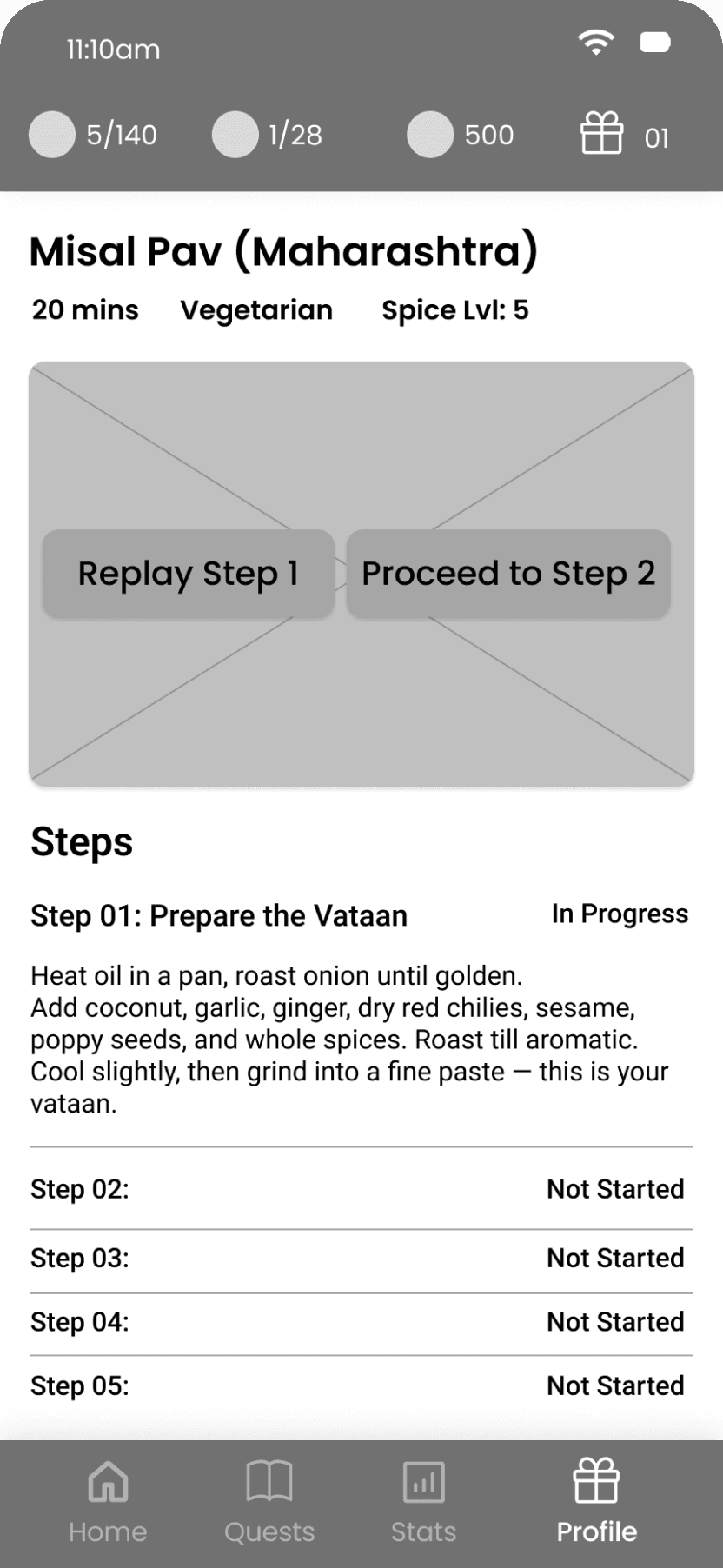
The next step in the design process was developing a mood board and style guide. This phase was crucial for establishing the visual identity of the product. The mood board helped define the overall aesthetic, tone, and emotional appeal, while the style guide ensured consistency in colors, typography, and design elements across the application. Together, these tools laid a strong foundation for creating a cohesive and visually engaging user experience.
4. The Deliver Stage
My next step was to begin the Develop Stage of the Double Diamond process, where the goal was to explore and expand possible solutions derived from the research insights. This stage allowed me to translate user needs into actionable ideas, identify key opportunities, and start shaping the core features that would effectively address the challenges faced by international students in the Kitchen Karma app.
Usability Test Plan
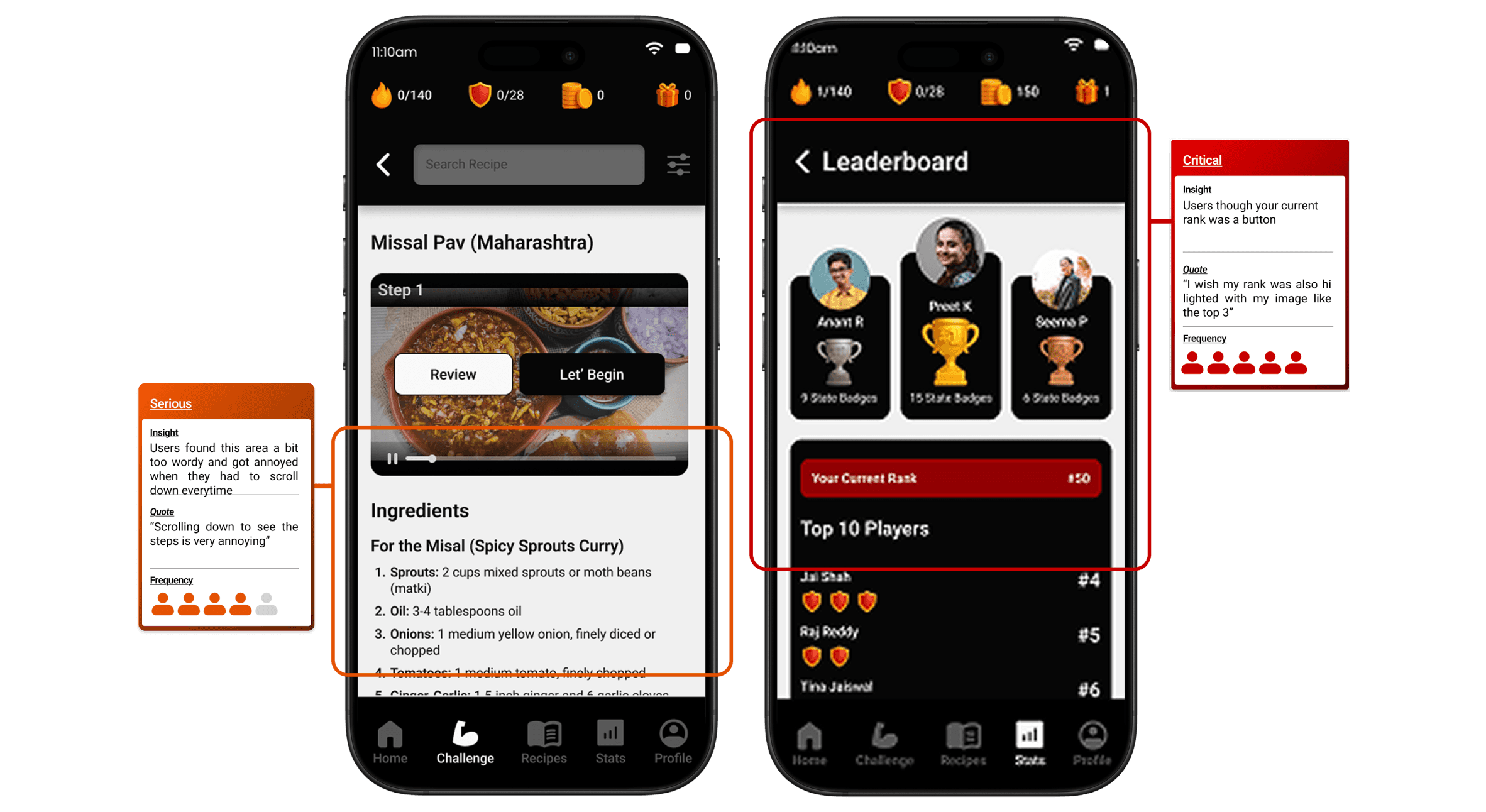
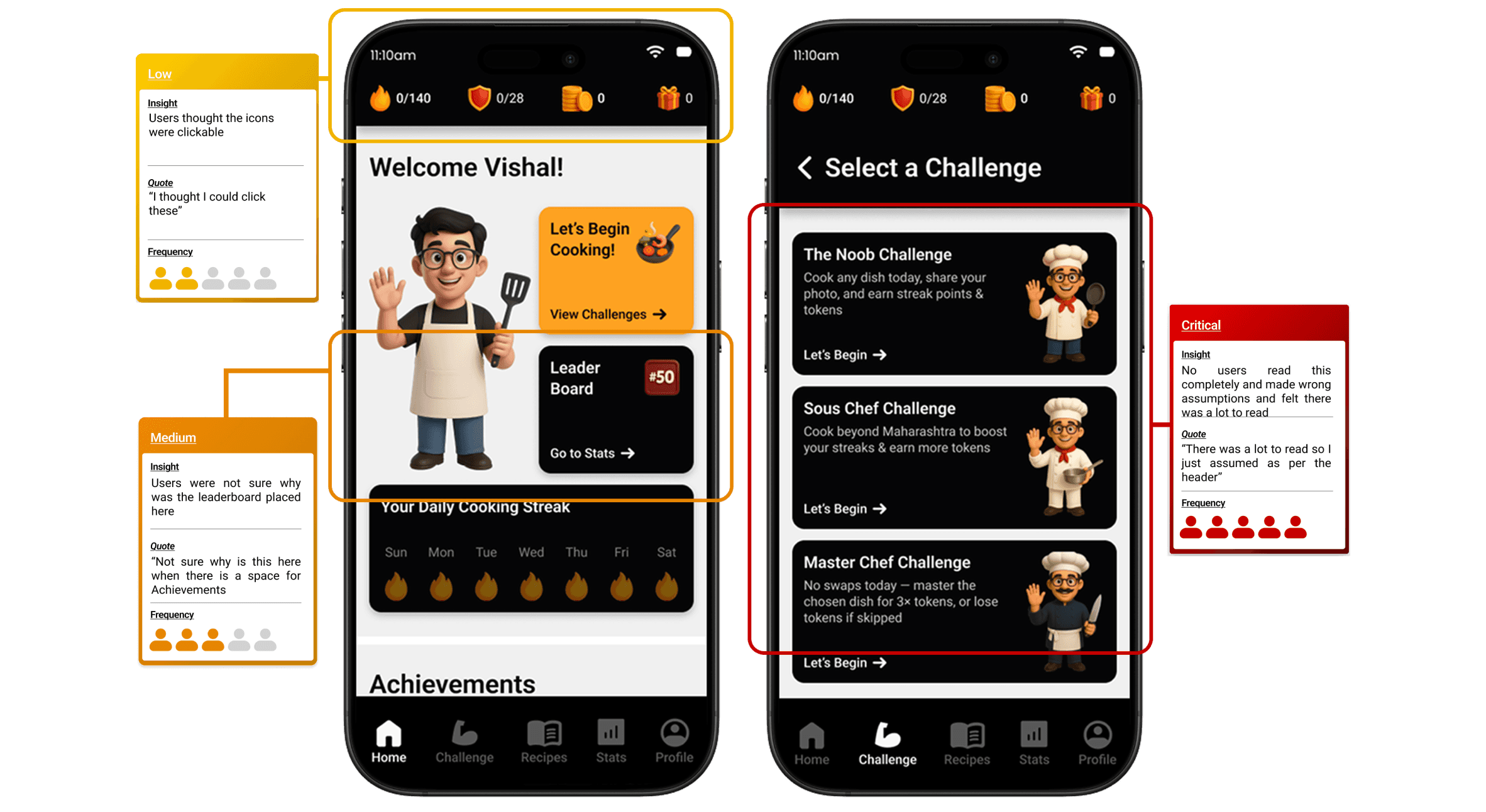
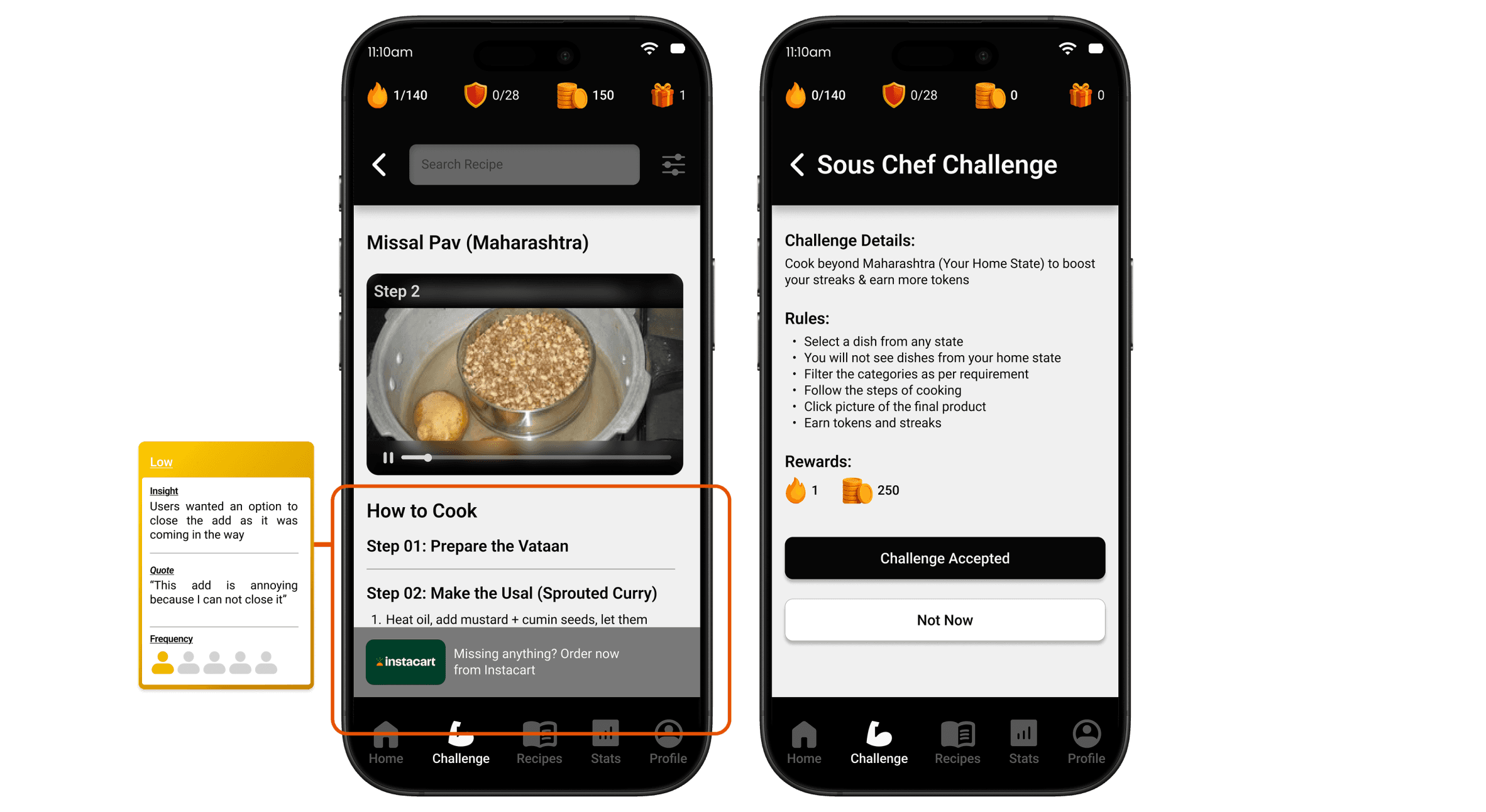
After completing the usability testing, feedback from the five user interviews was synthesized into four categories: Positives, Negatives, Ideas, and General Comments. This process helped identify the key issues users faced with the design and assess which ones had the greatest impact, providing a clear direction for developing effective solutions.
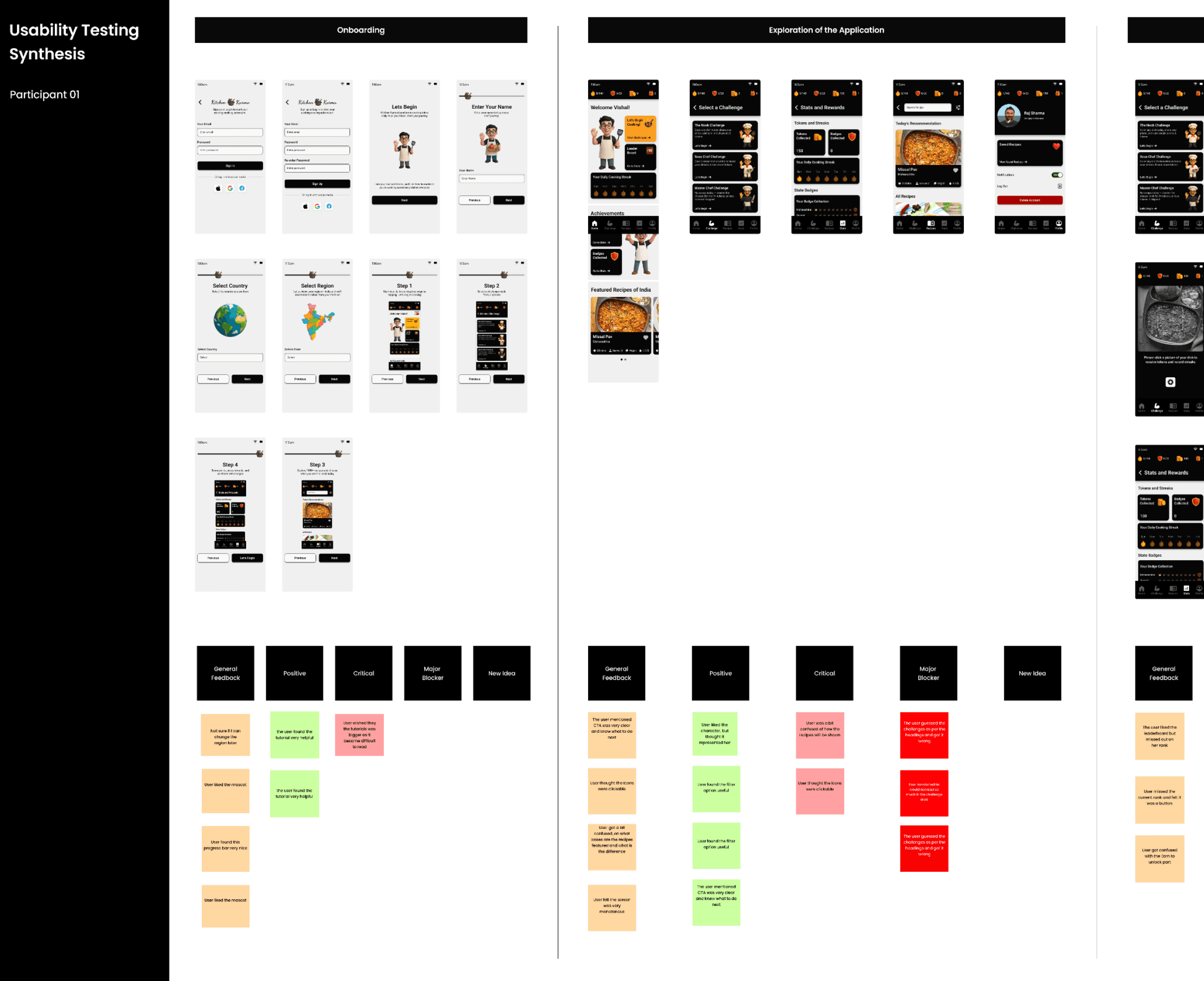
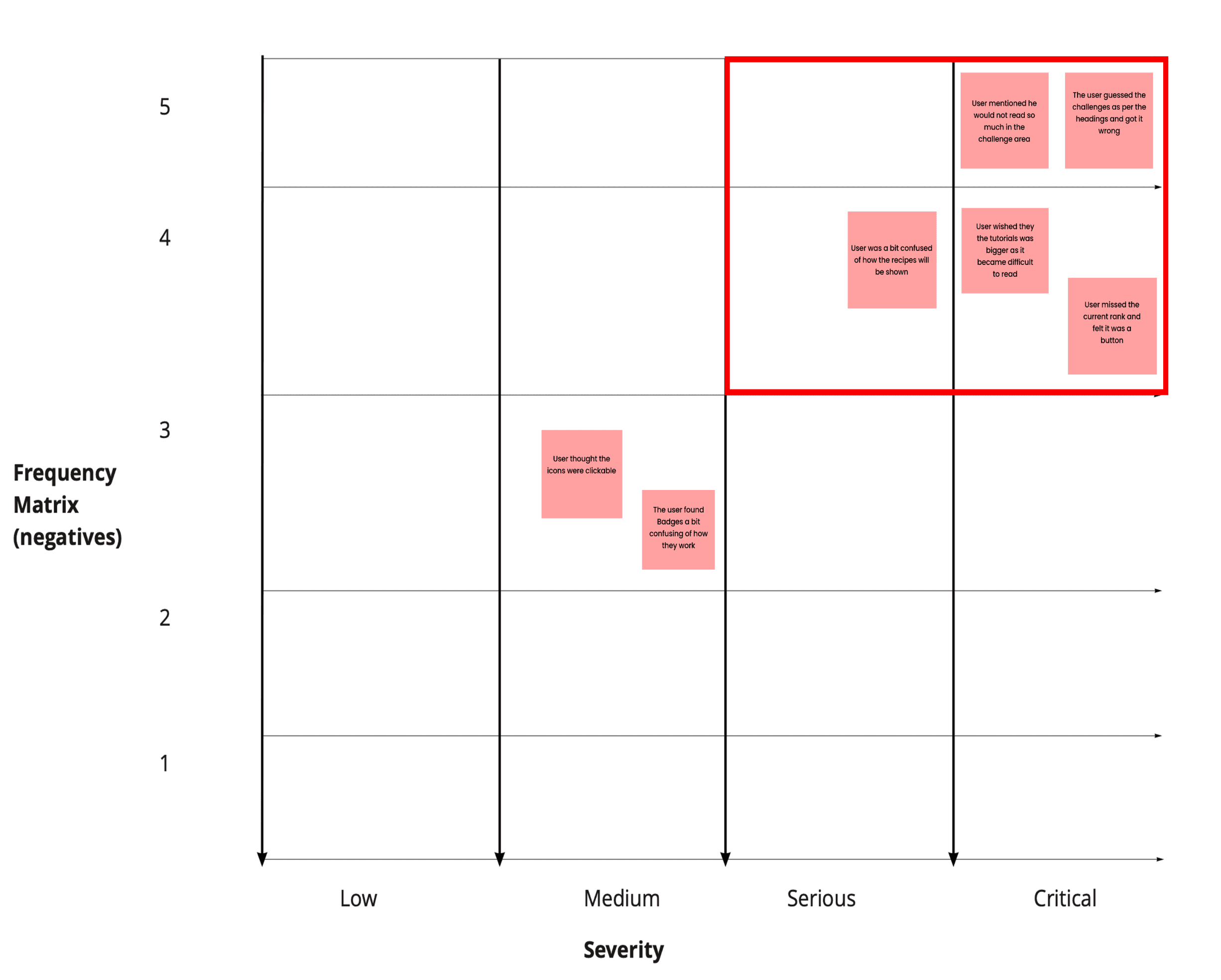
Usability Testing Summary
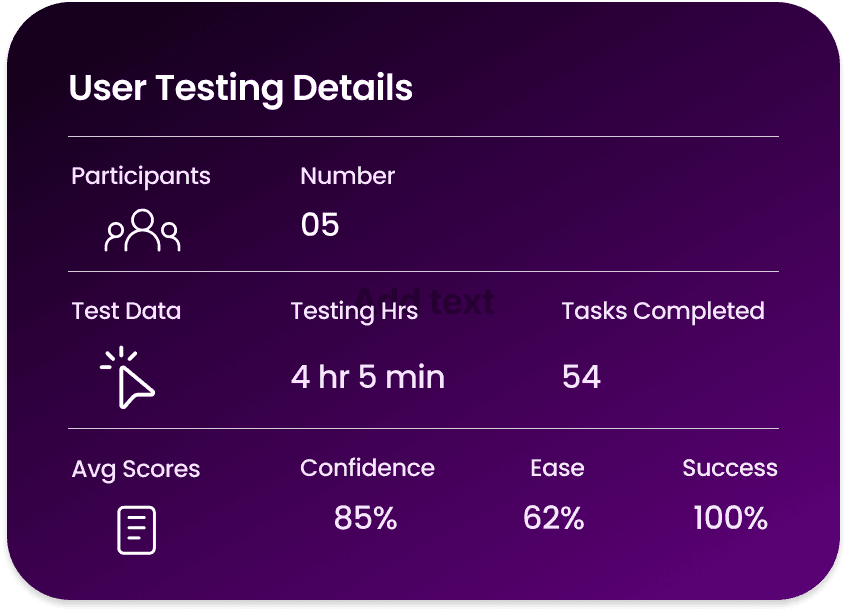
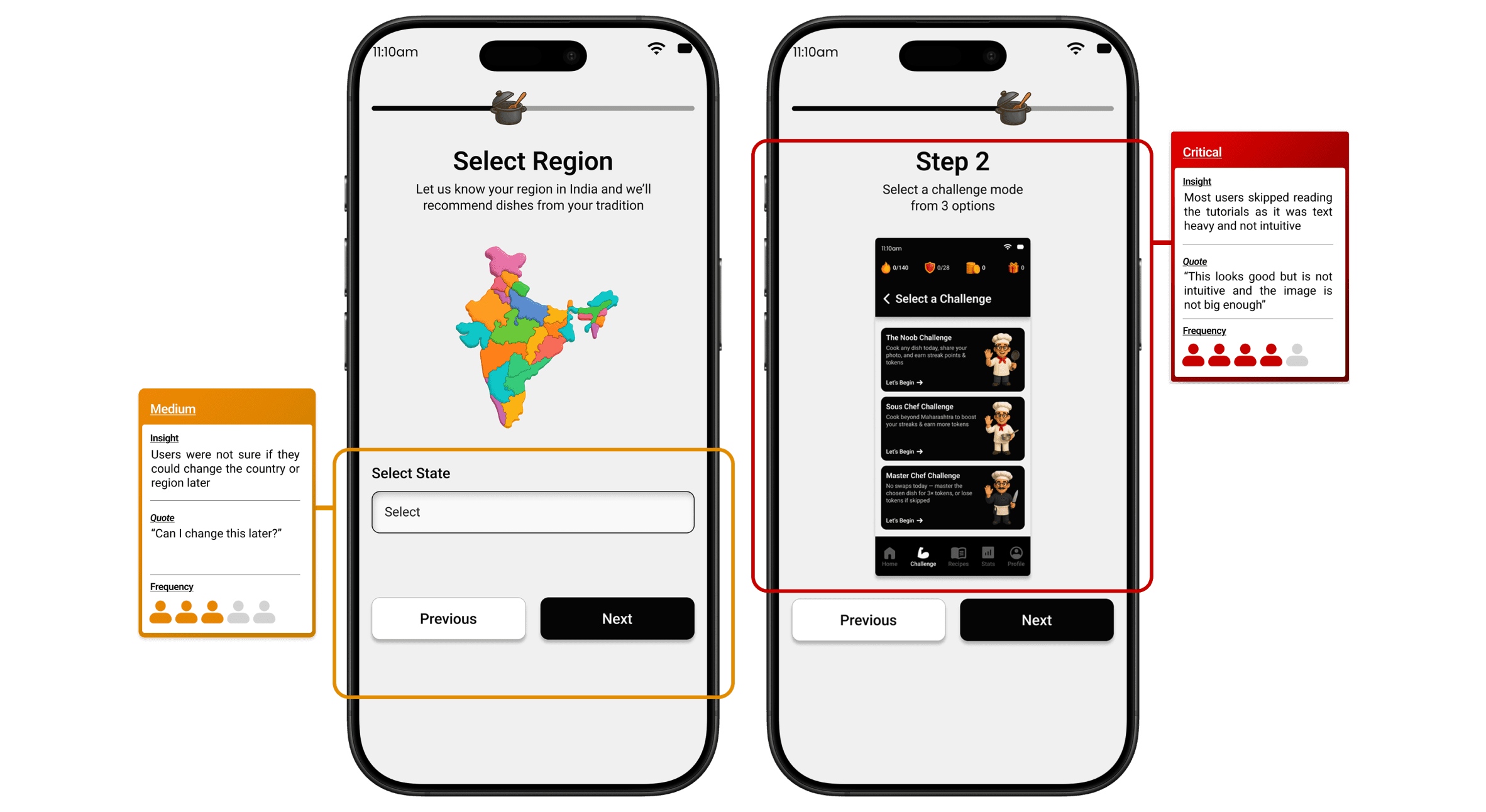
The usability testing was overall successful and provided valuable insights into how users interacted with the product. It highlighted areas where users faced challenges, as well as features that performed well. While participants were able to complete all assigned tasks, some friction points were identified during the sessions. These areas will be further analyzed to enhance the user experience and address any usability concerns.
Task Findings and Analysis
Recommended Solutions
Using the SCAMPER model, I began developing design solutions for all the screens and features that users found challenging to understand or use, as identified during the user interviews.
Set a Reminder (S C A M P E R - Modify)
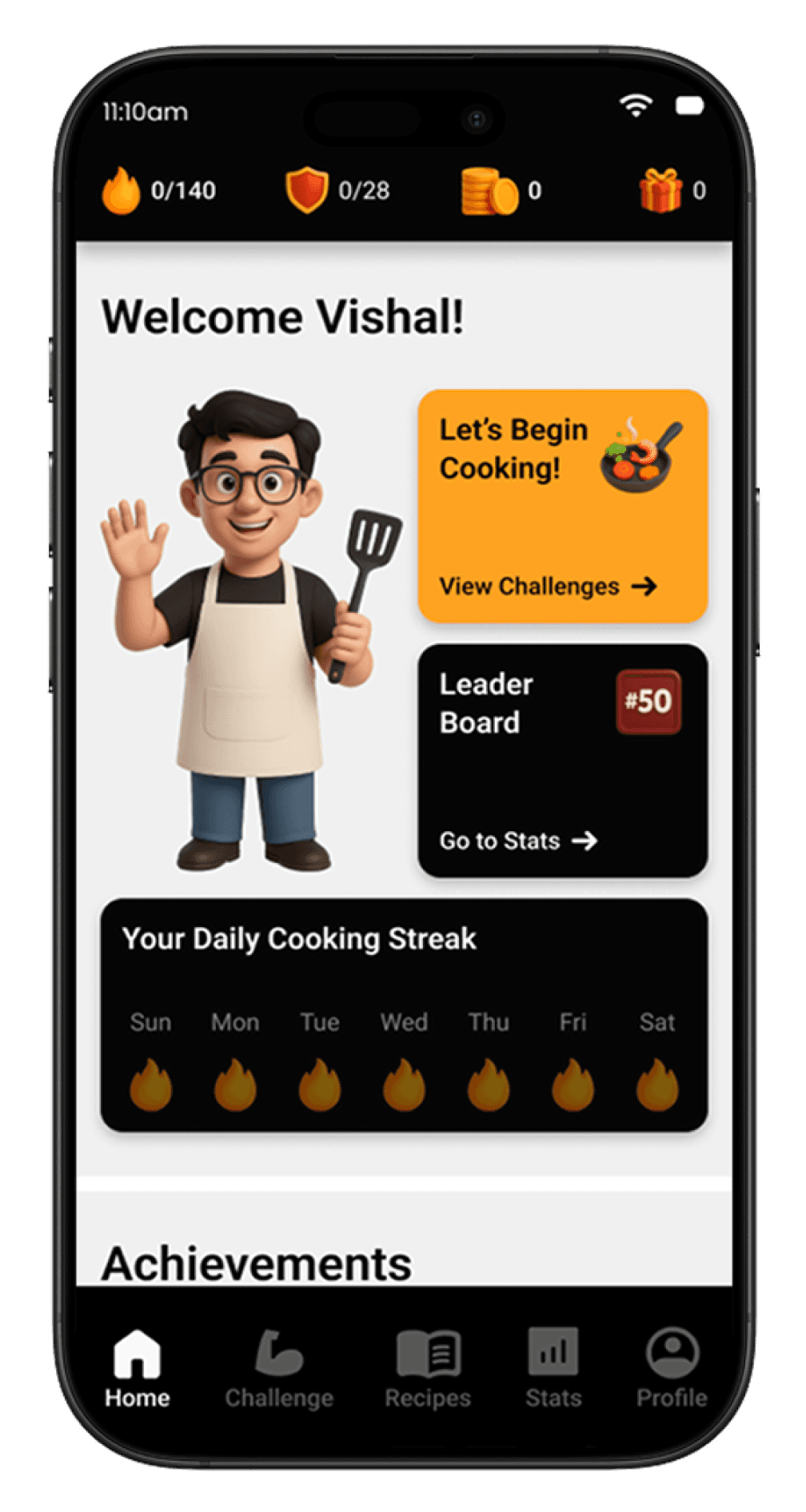
Before
Modify
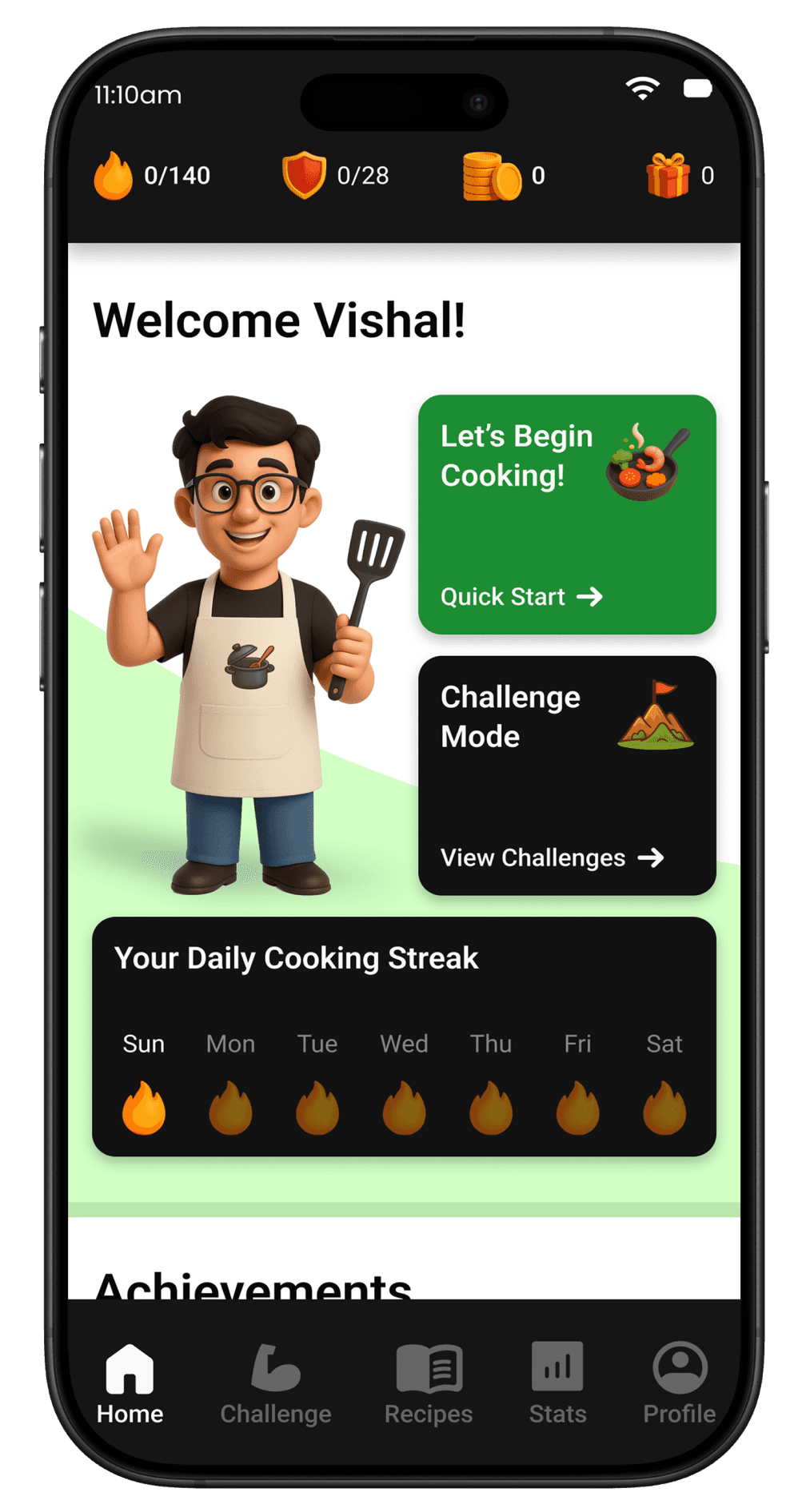
Using the SCAMPER method, several design adjustments were made to enhance usability and visual appeal. For the Home Screen, the layout and color scheme were modified to create a cleaner, more inviting interface. The Leaderboard CTA was substituted with a Challenge CTA to encourage users to take direct action and engage with cooking challenges. These refinements made the screen more purposeful, visually balanced, and aligned with the app’s goal of motivating students to cook consistently.
After
Set a Reminder (S C A M P E R - Modify)
Before
Modify
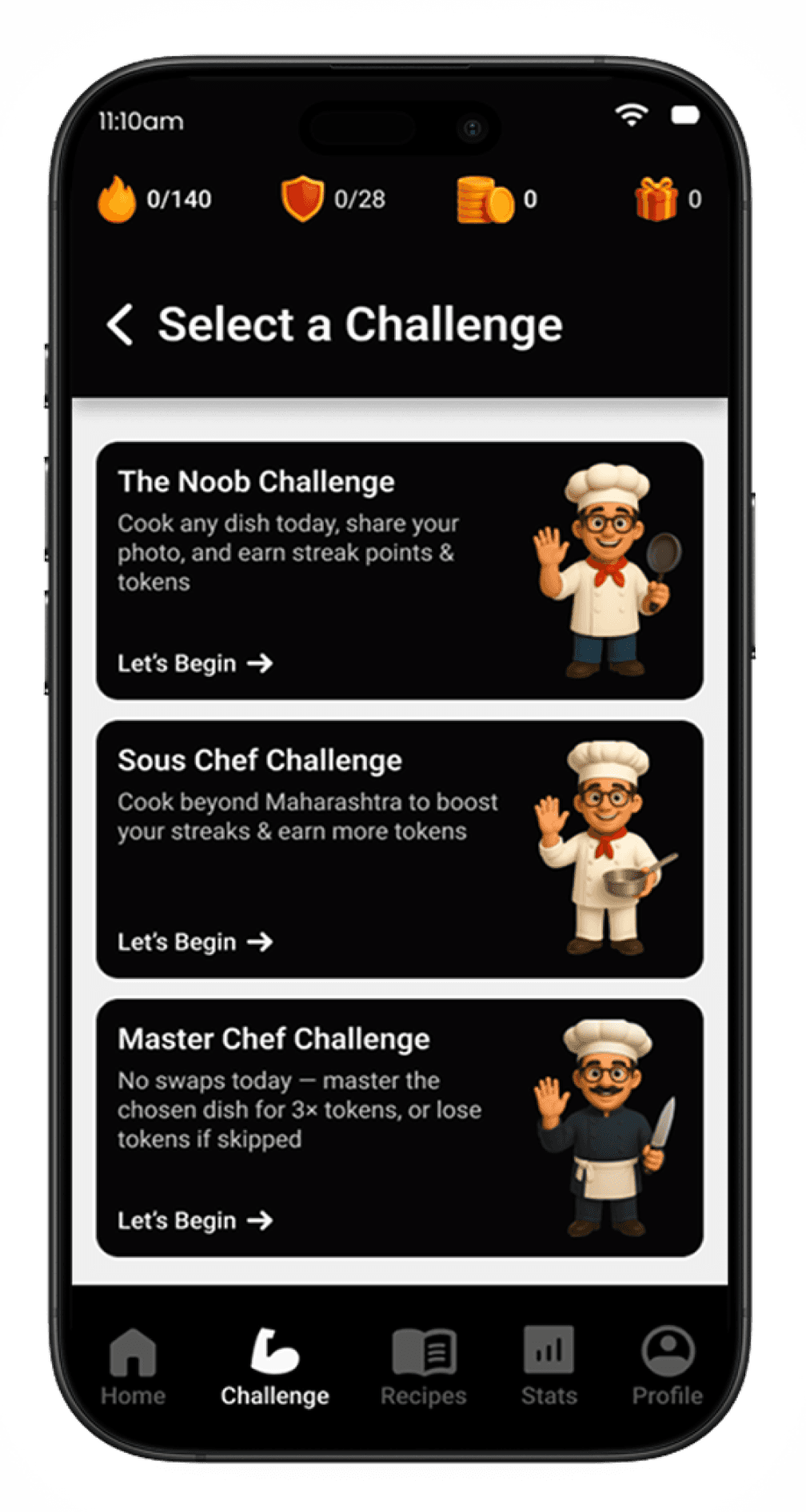
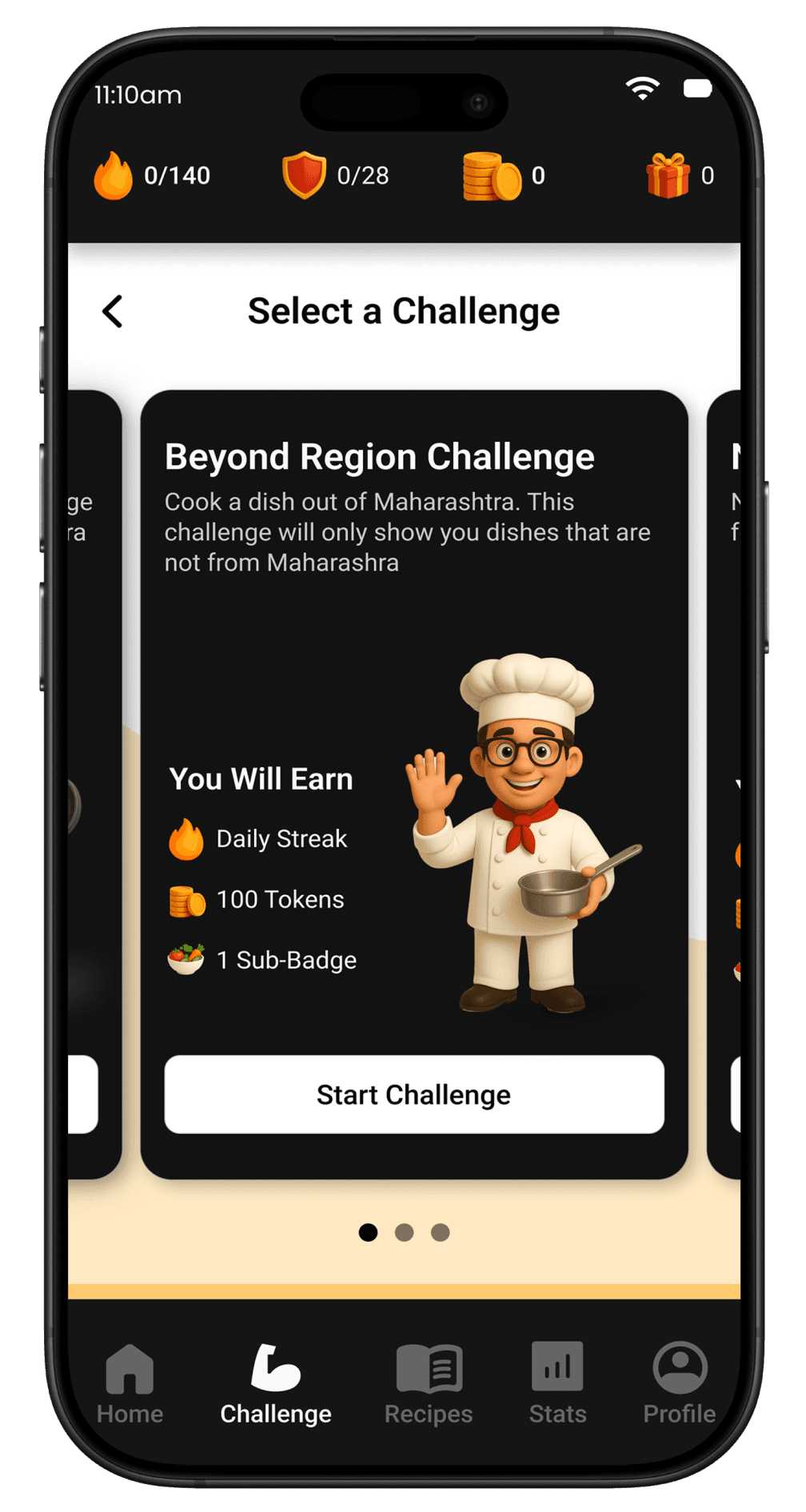
The Challenge Screen was refined using the SCAMPER method to improve clarity and engagement. The overall layout was modified for better visual balance and smoother navigation. The headers of the challenges were substituted with clearer, action-oriented titles that were easier for users to understand and relate to. These updates enhanced the flow of information and made it simpler for users to follow each step of the cooking challenge within Kitchen Karma.
After
Other Projects

Academic Project
B2C
E-commerce
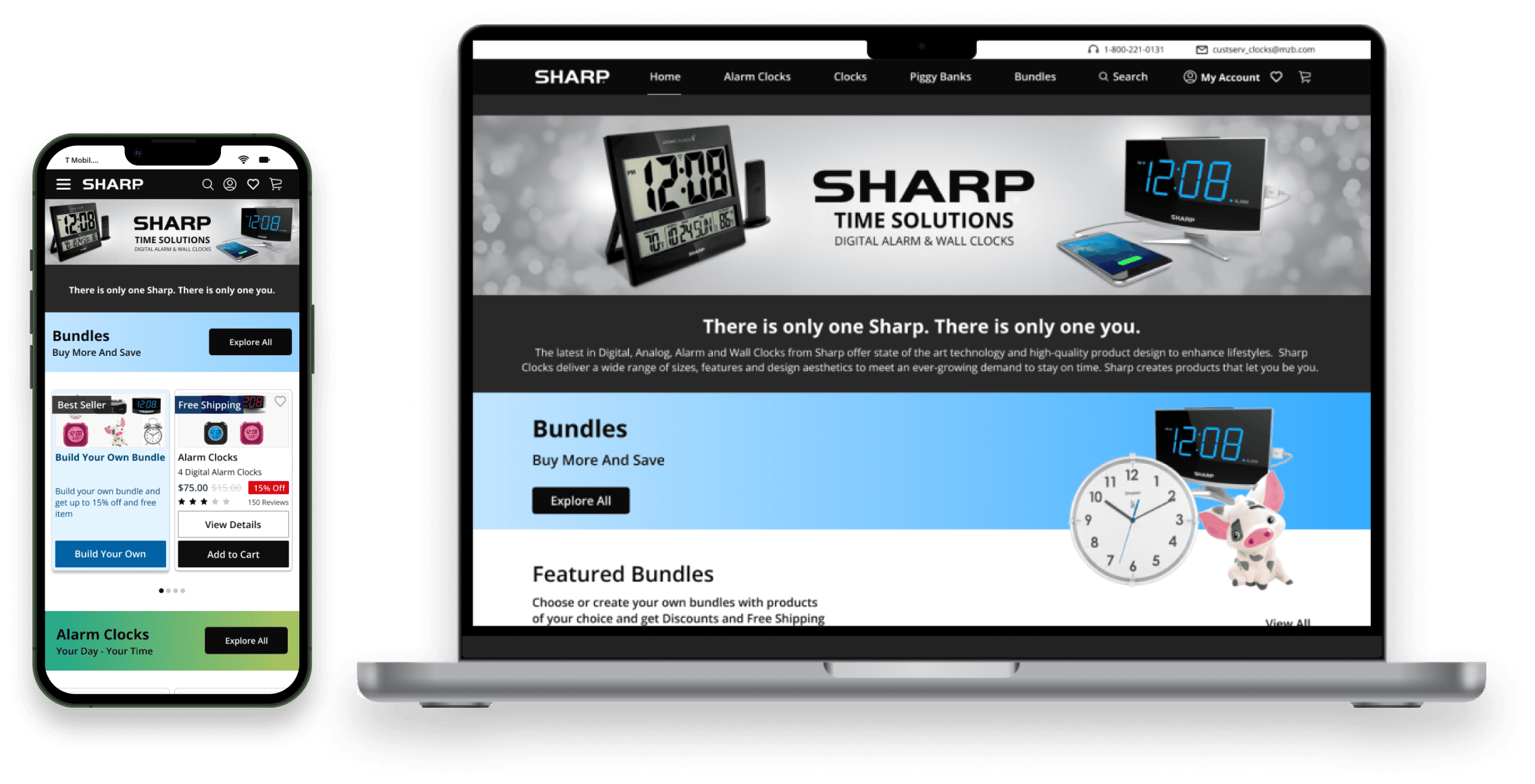
Sharp website redesign
Redesign of Sharp website by integrating e-commerce platforms, SAAS solutions and an innovation for better user experience

© 2024 Designed By Vishal Thakkar